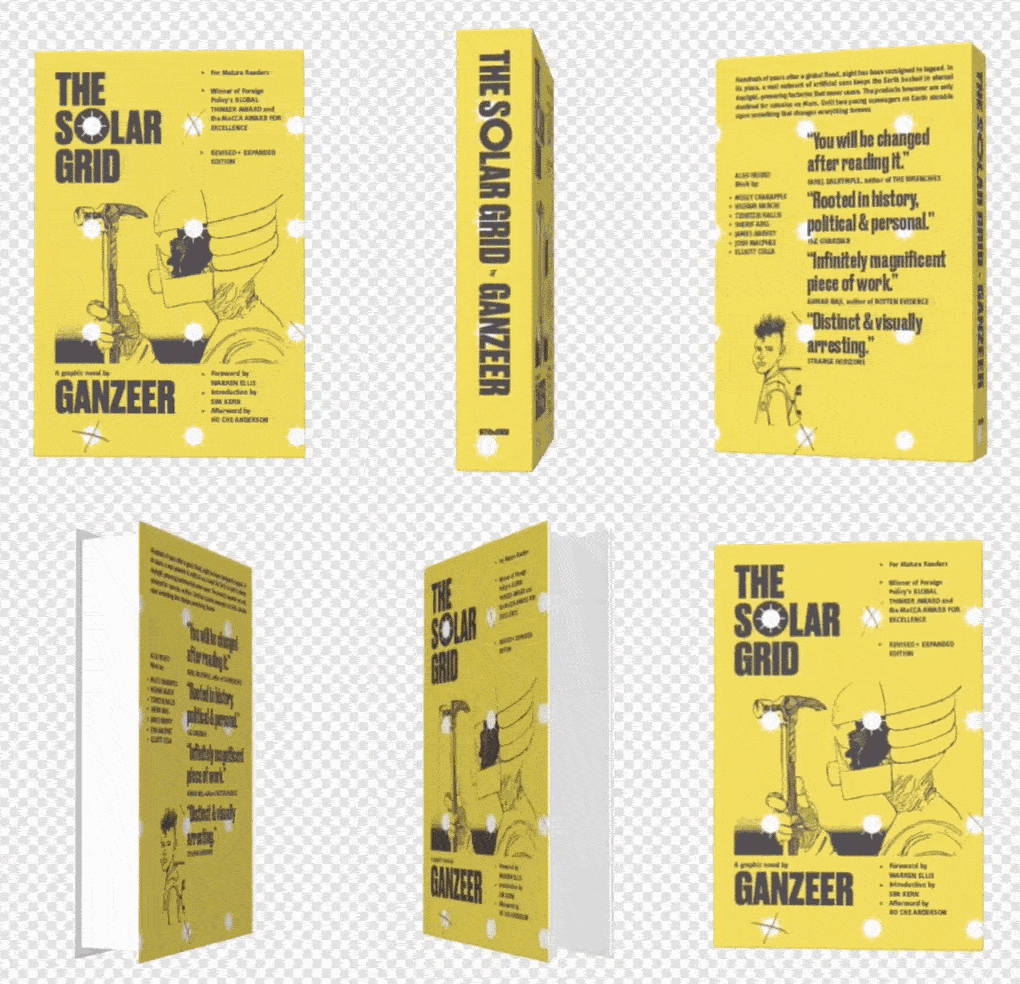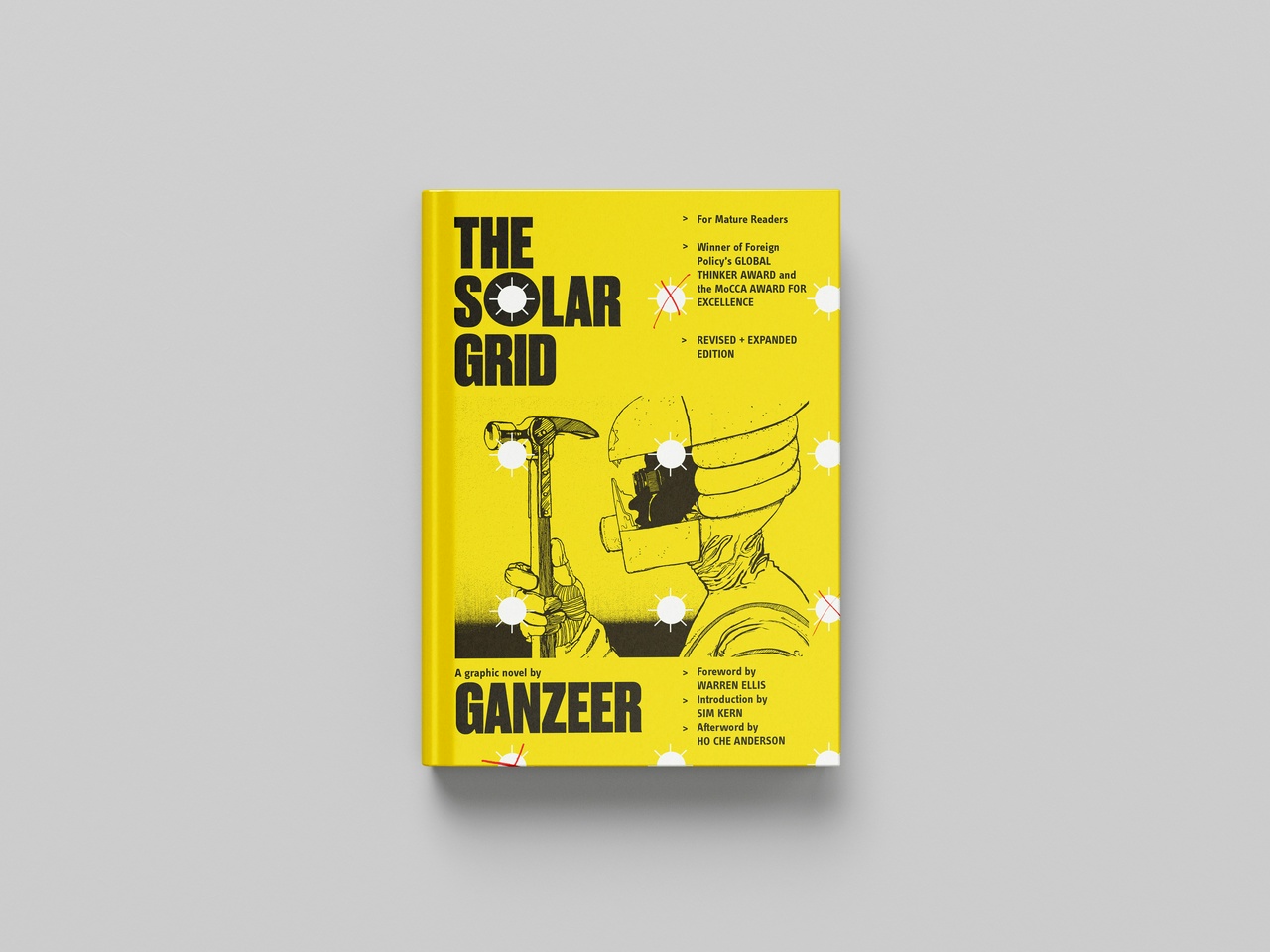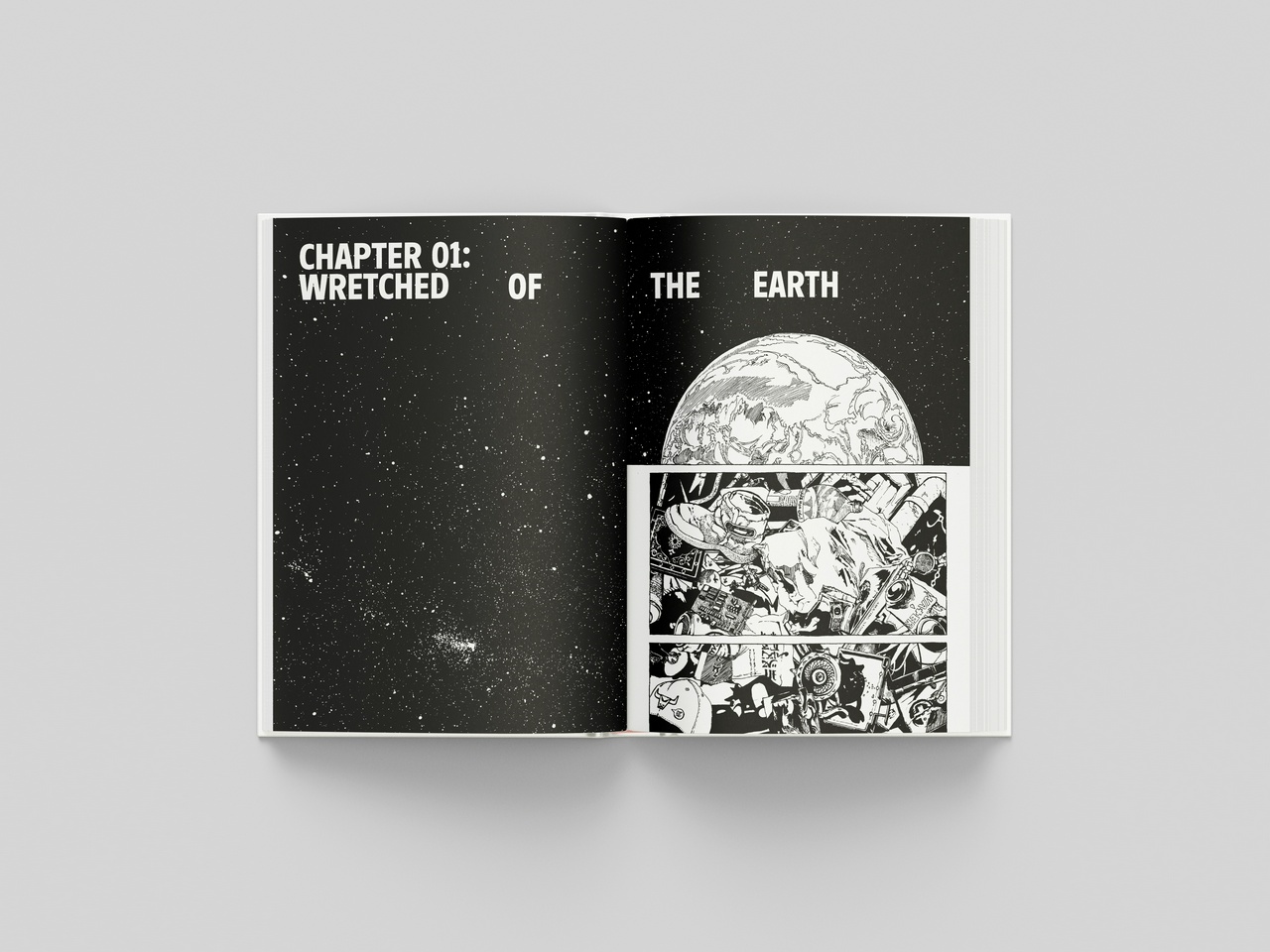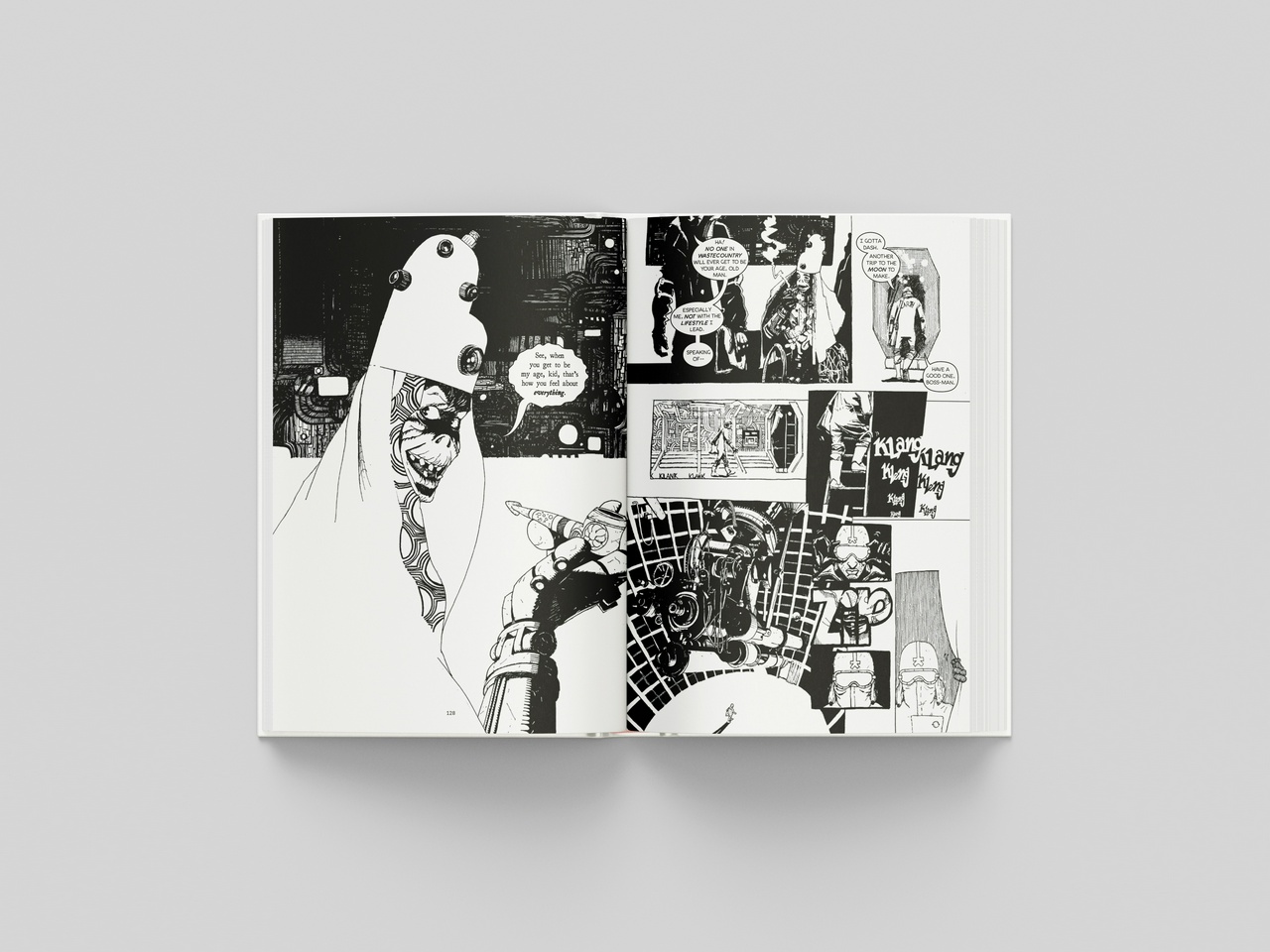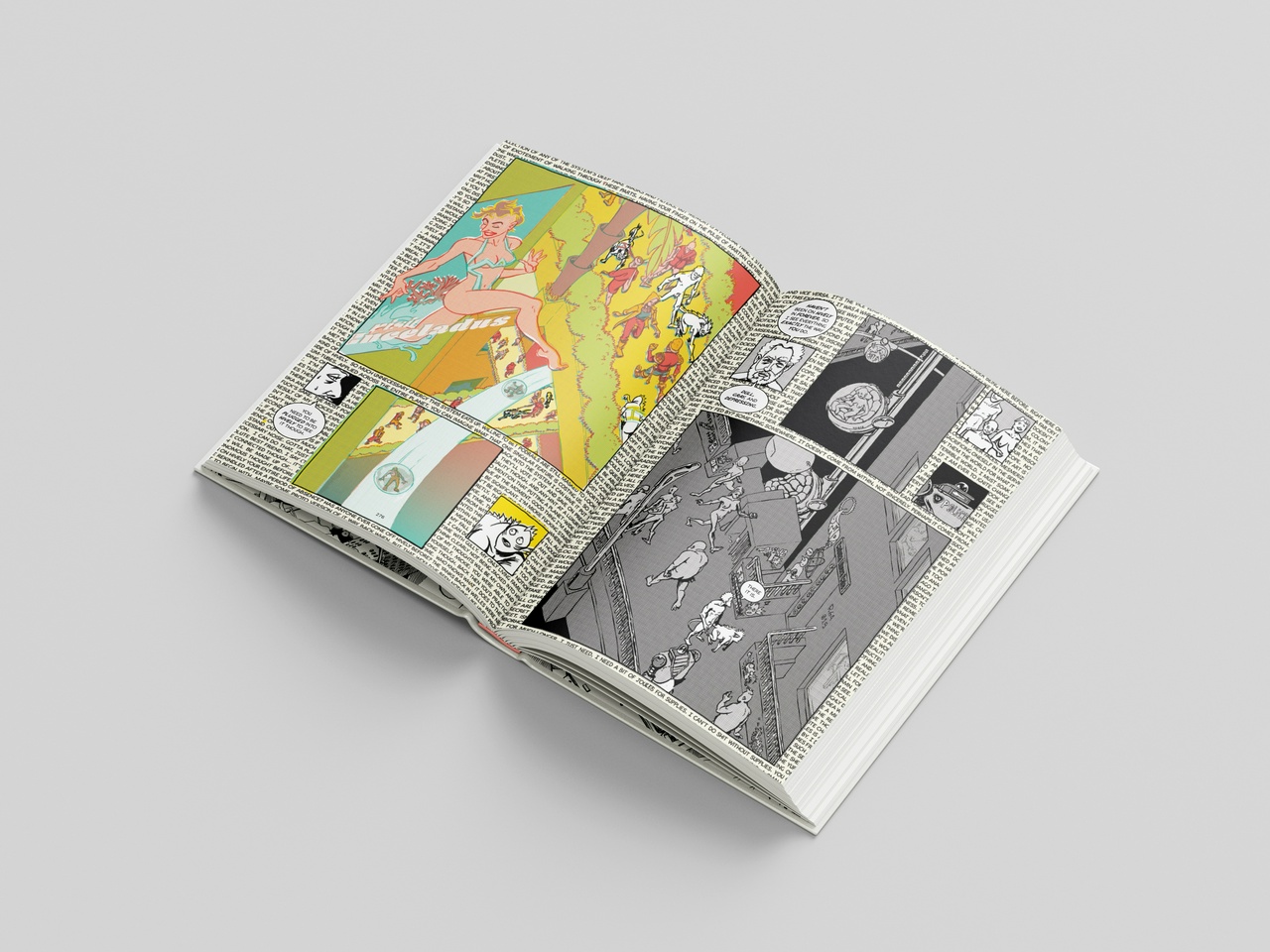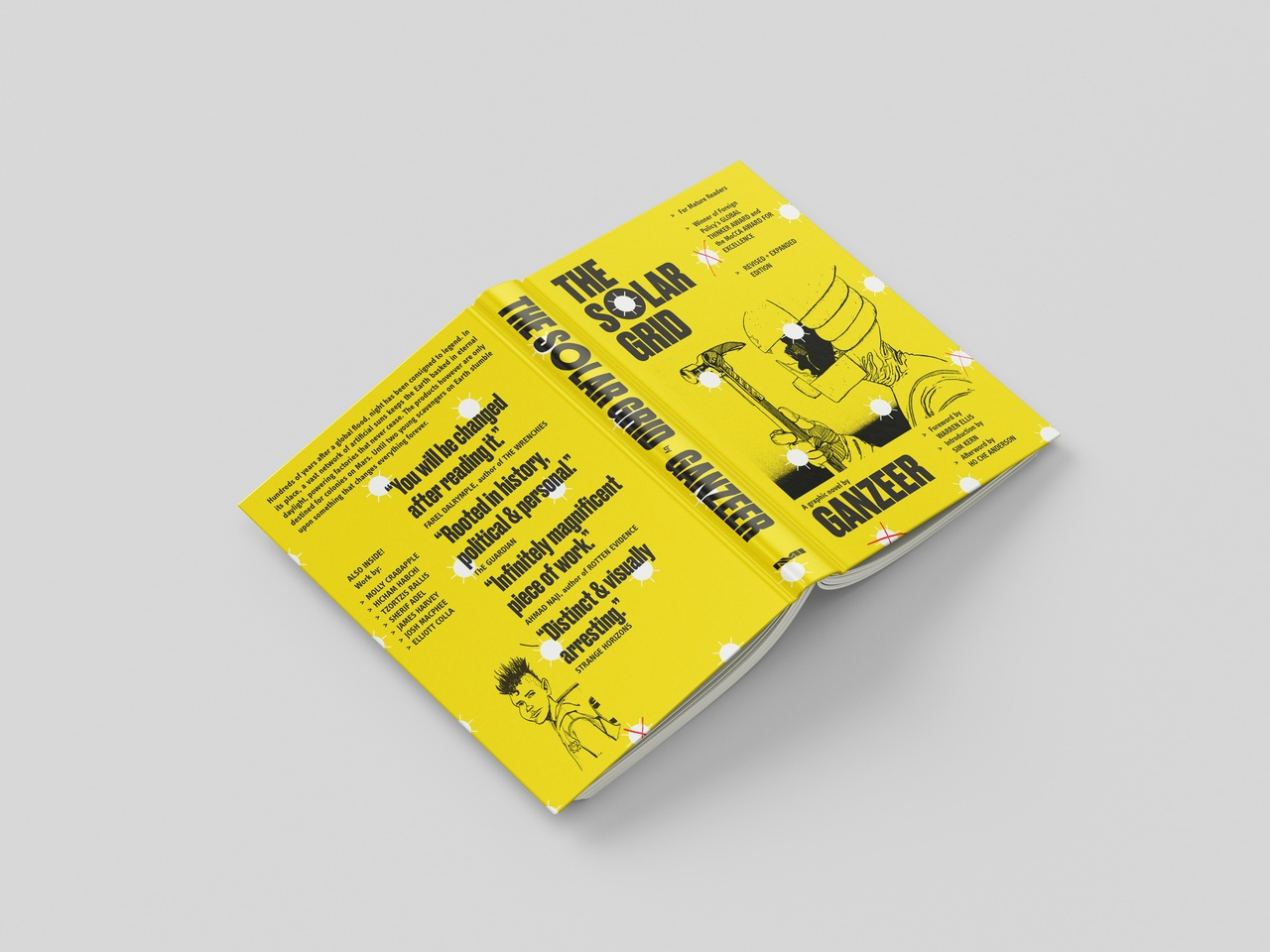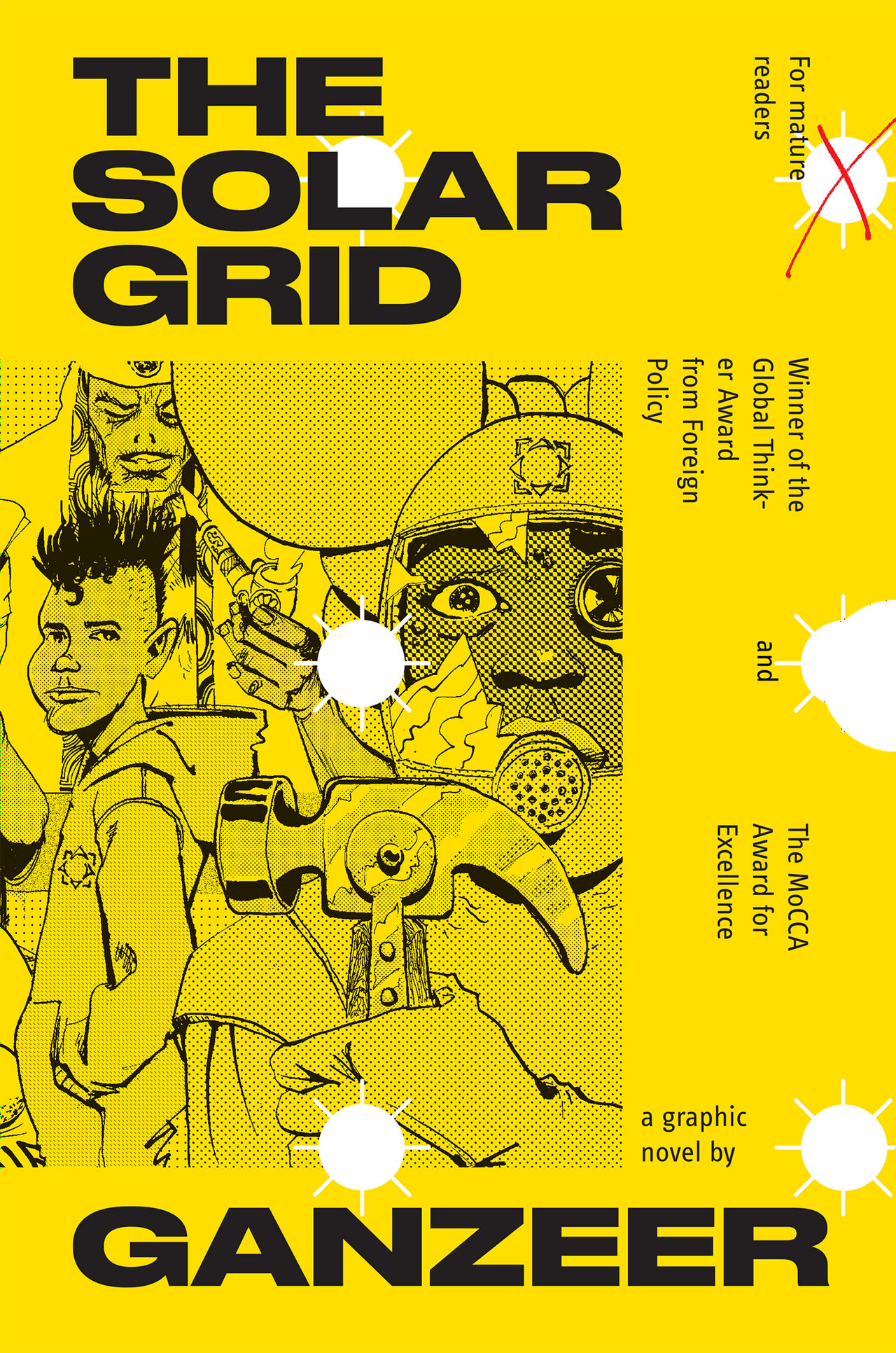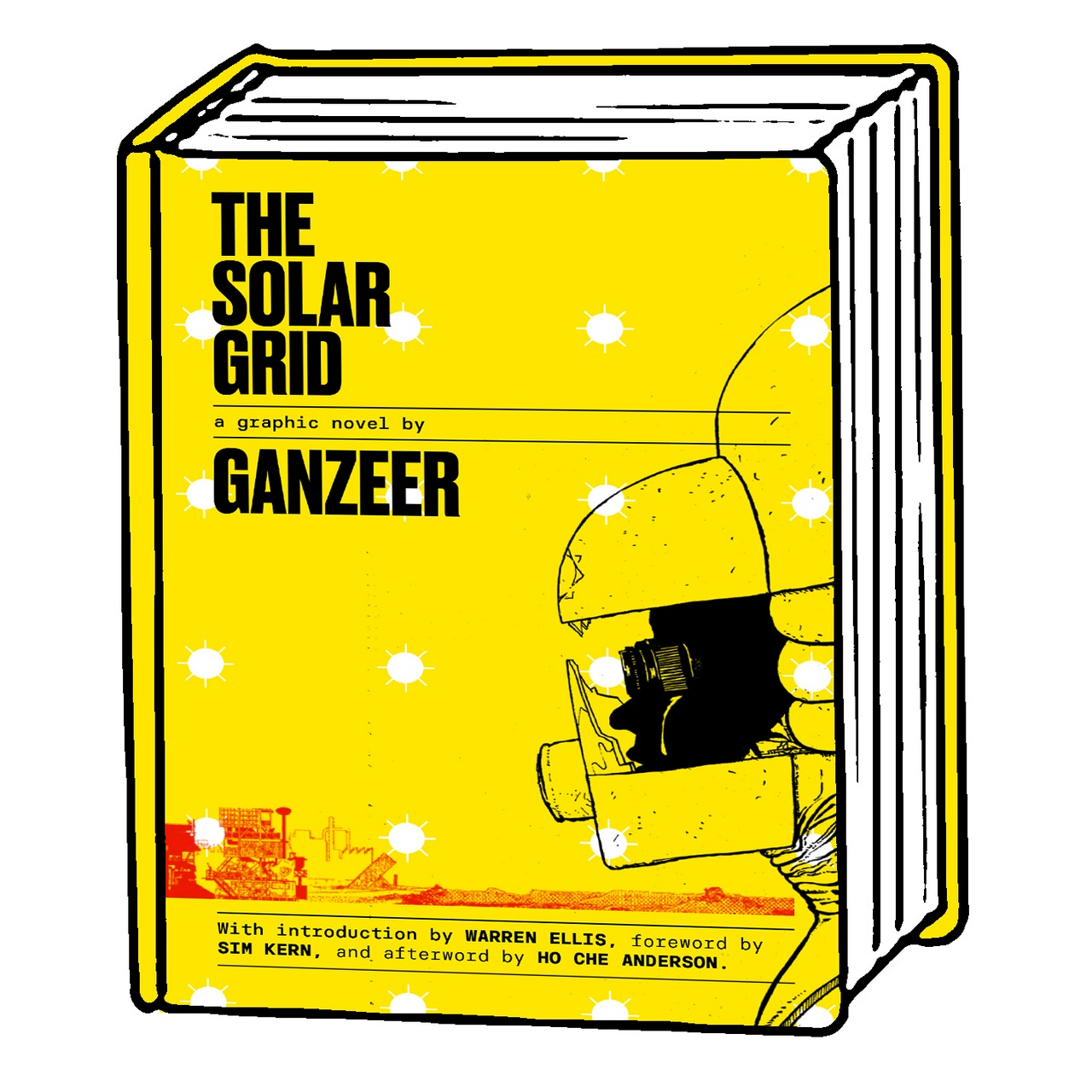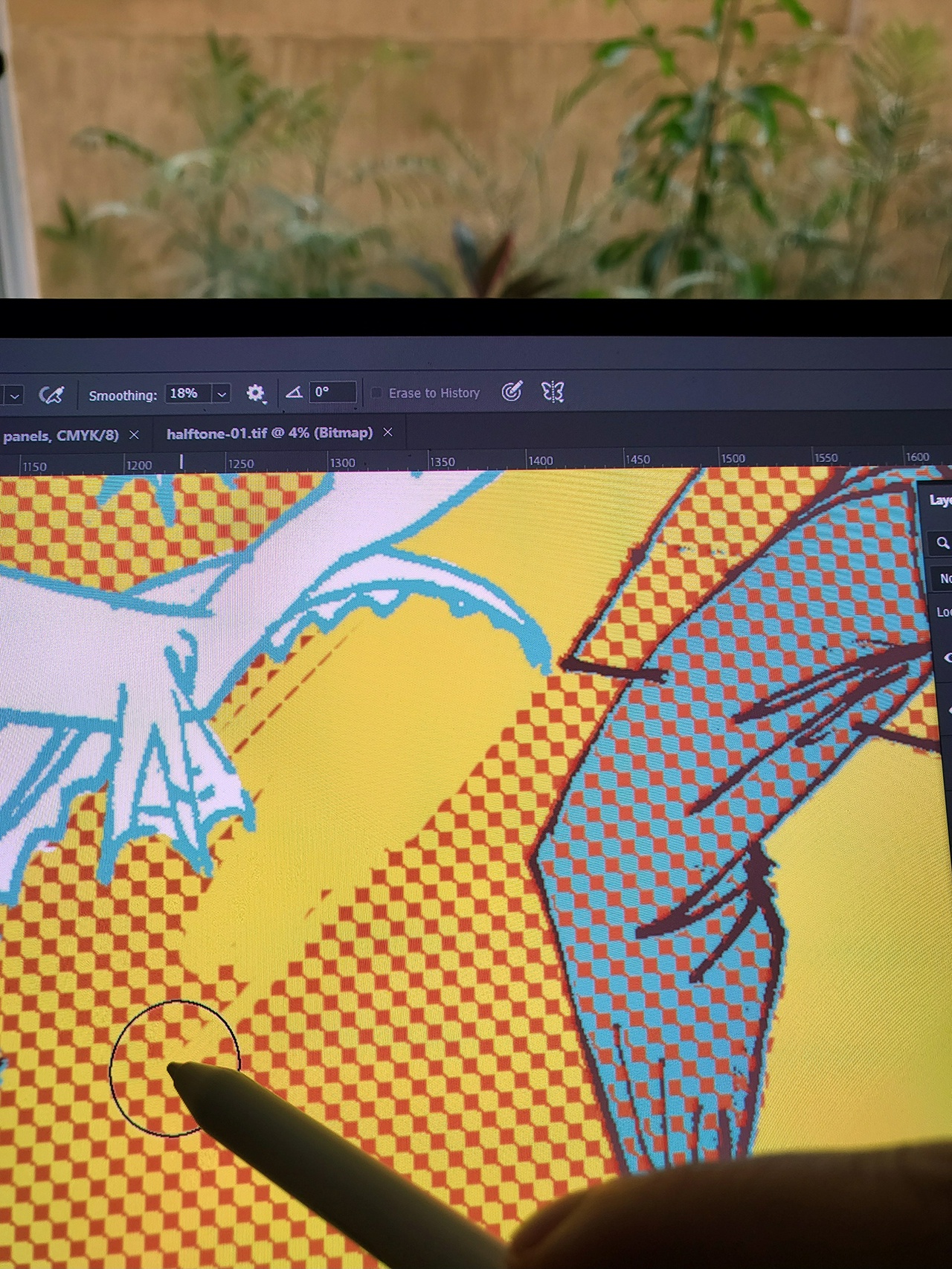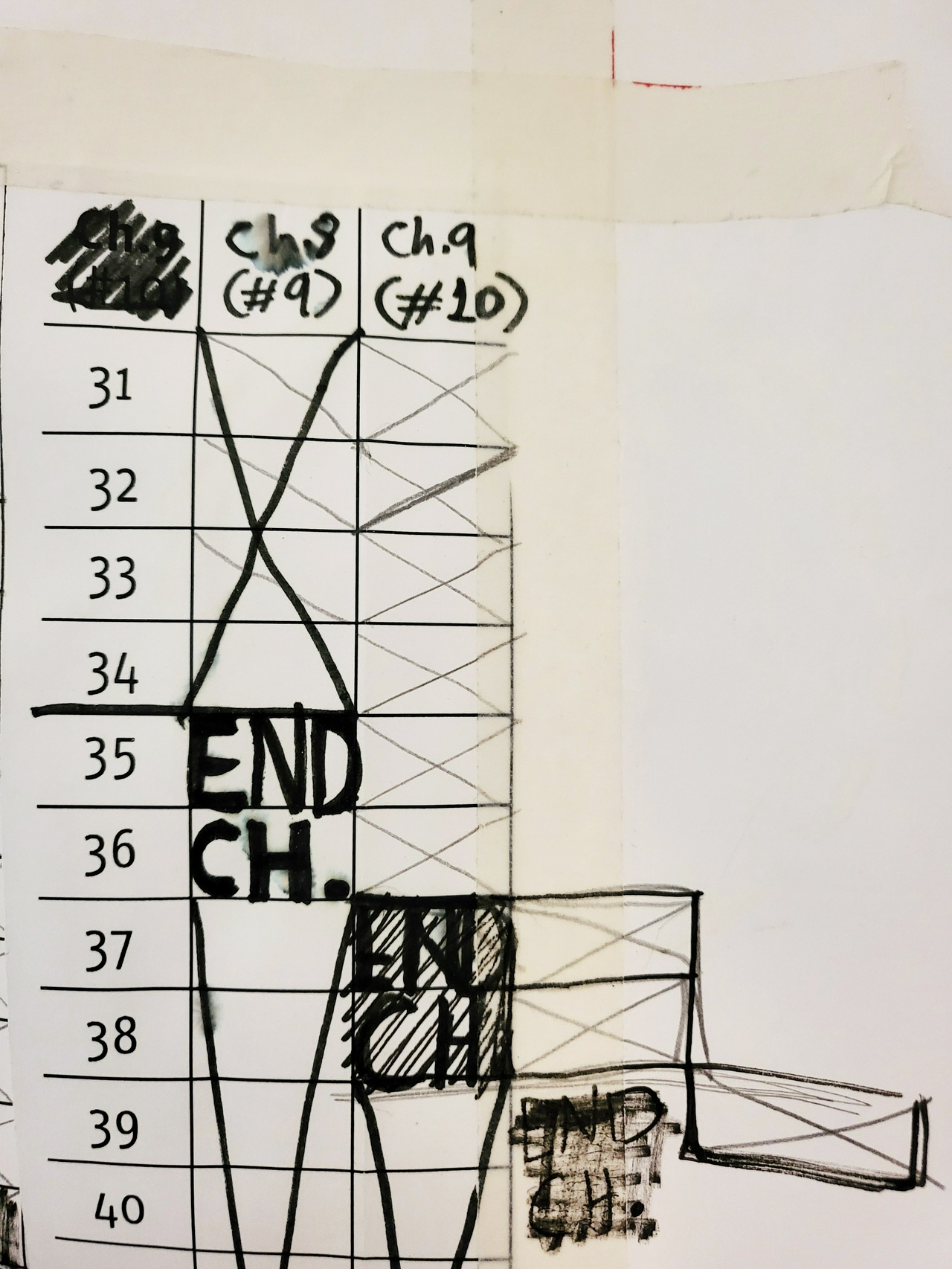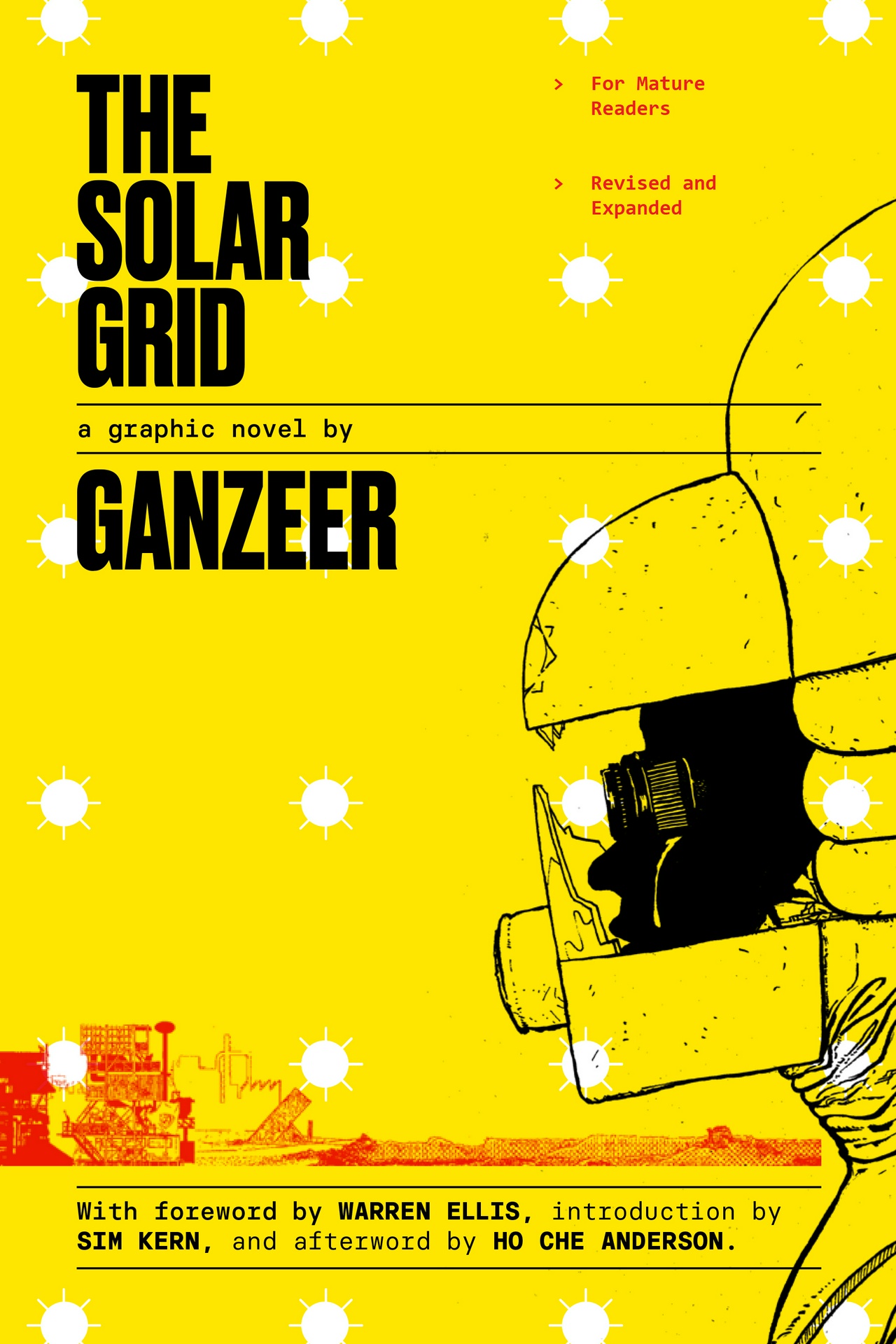
Sent off the new REVISED & EXPANDED edition of THE SOLAR GRID to everyone who downloaded the previous version. A rather embarrassing message to have to send, but at least it's something that could be salvaged, unlike the shipping of flawed physical copies (so it's actually a plus I never took it to print earlier in the year).
Some of the most major revisions made (spoilers abound, naturally):
Chapter 01:
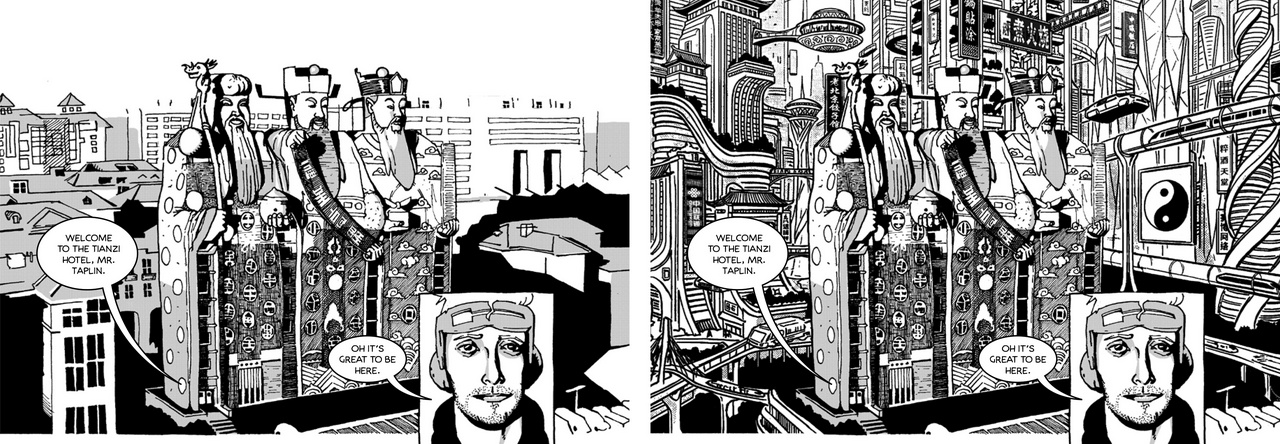
The Tianzi Hotel is a real place in a province 50 km southeast of Beijing. I originally chose it because I wanted something to visually indicate China without needing to include a big “China” caption at the top, and I had originally referenced it and its surrounding buildings from a photograph. Its surrounding buildings however offer a quaint and rather dated impression of China, which doesn't quite measure up to the “rivalry” felt by the US and referenced earlier in the chapter, all of which takes place in the future. So it occurred to me that all the architecture surrounding the Tianzi Hotel needed to be projected into the far future. The new line-art turned out a little thicker than I would've liked, but I think it works well enough.
Chapter 02:
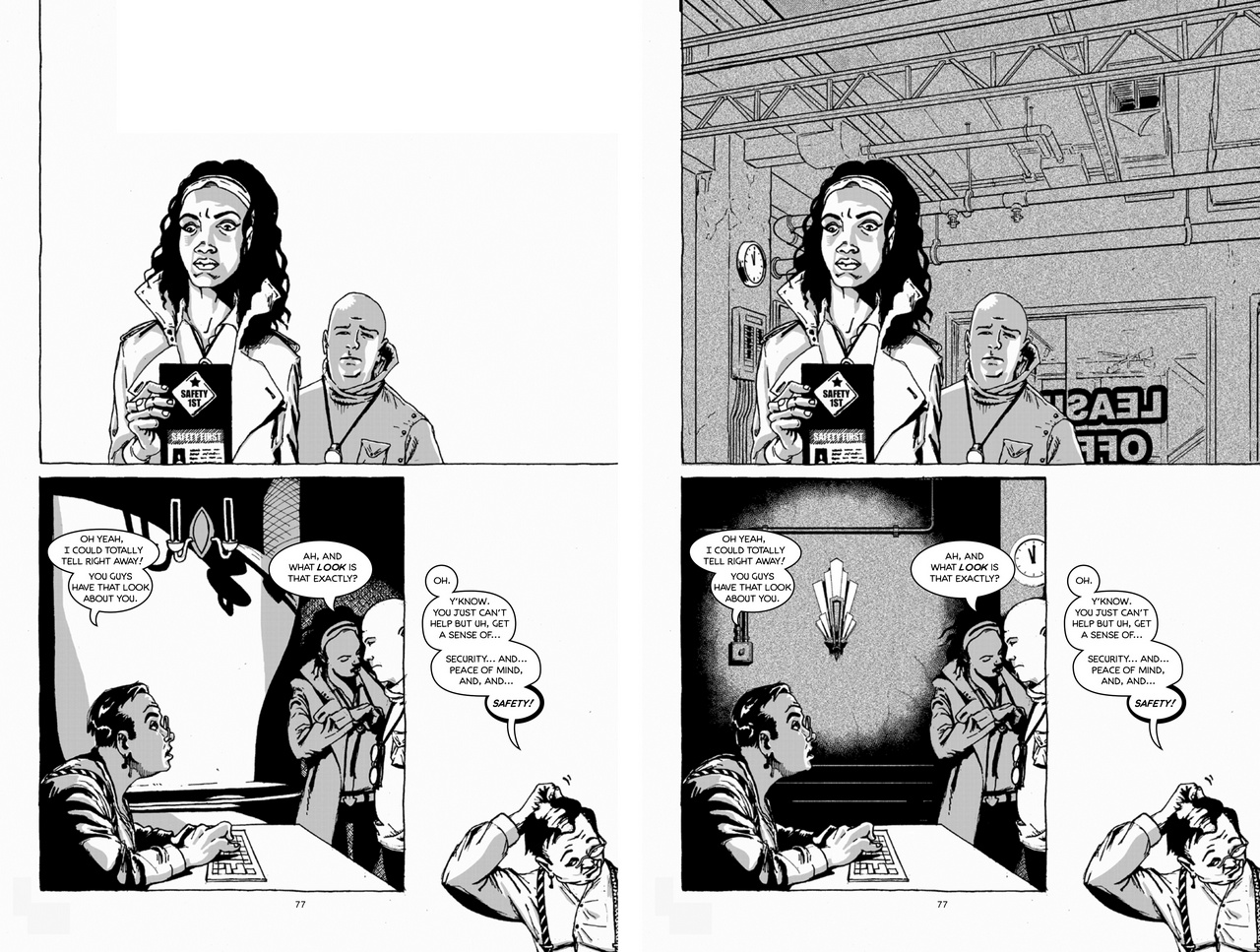
When I first drew this page early on in THE SOLAR GRID's development, I left the background in the first panel blank because I had intended to put in a big “EARLIER” caption in big, bold sans serif type (probably set in Govan, just like the chapter titles), which I didn't want to clash with an overly detailed background. This might've been the SCOTT PILGRIM influence at work, which is amusingly full of such captions. It works really well for the tone of SCOTT PILGRIM, but I ultimately decided it wouldn't be right for THE SOLAR GRID. Yet, I never went back in to fill that background, and its bugged me ever since. Once I got that background in there, I had to change the background in the second panel to match. There's a bit of a style disconnect—to be expected when adding something to a drawing you originally made over 10 years ago—but it isn't too glaring and I think it works much better than the original version.
Chapter 03:

Always wanted to include a post-flood Egypt travel ad in the backmatter portion of chapter 3, but got too preoccupied with wanting to finish the actual comics of the book to get around to it way back when.
Chapter 04:
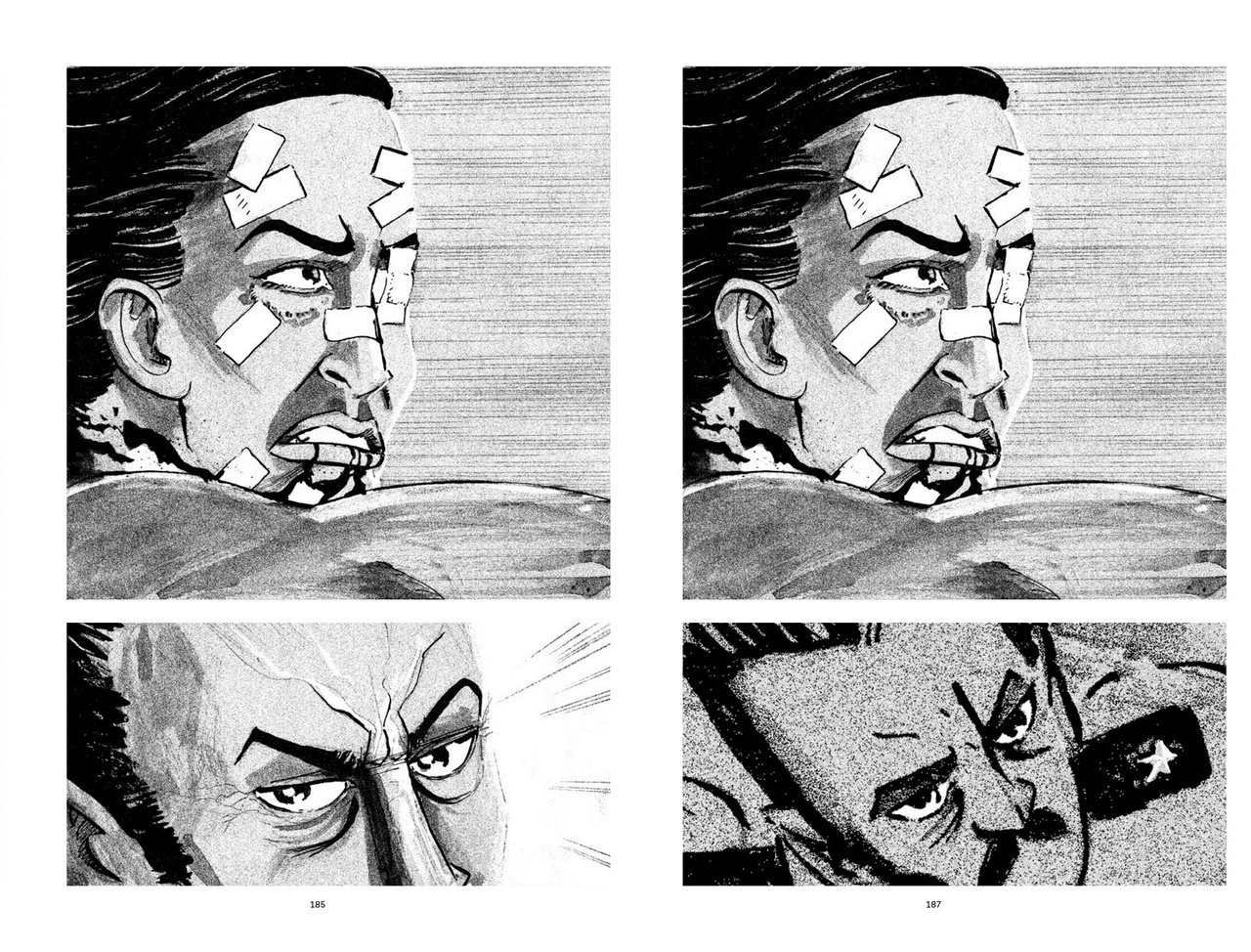
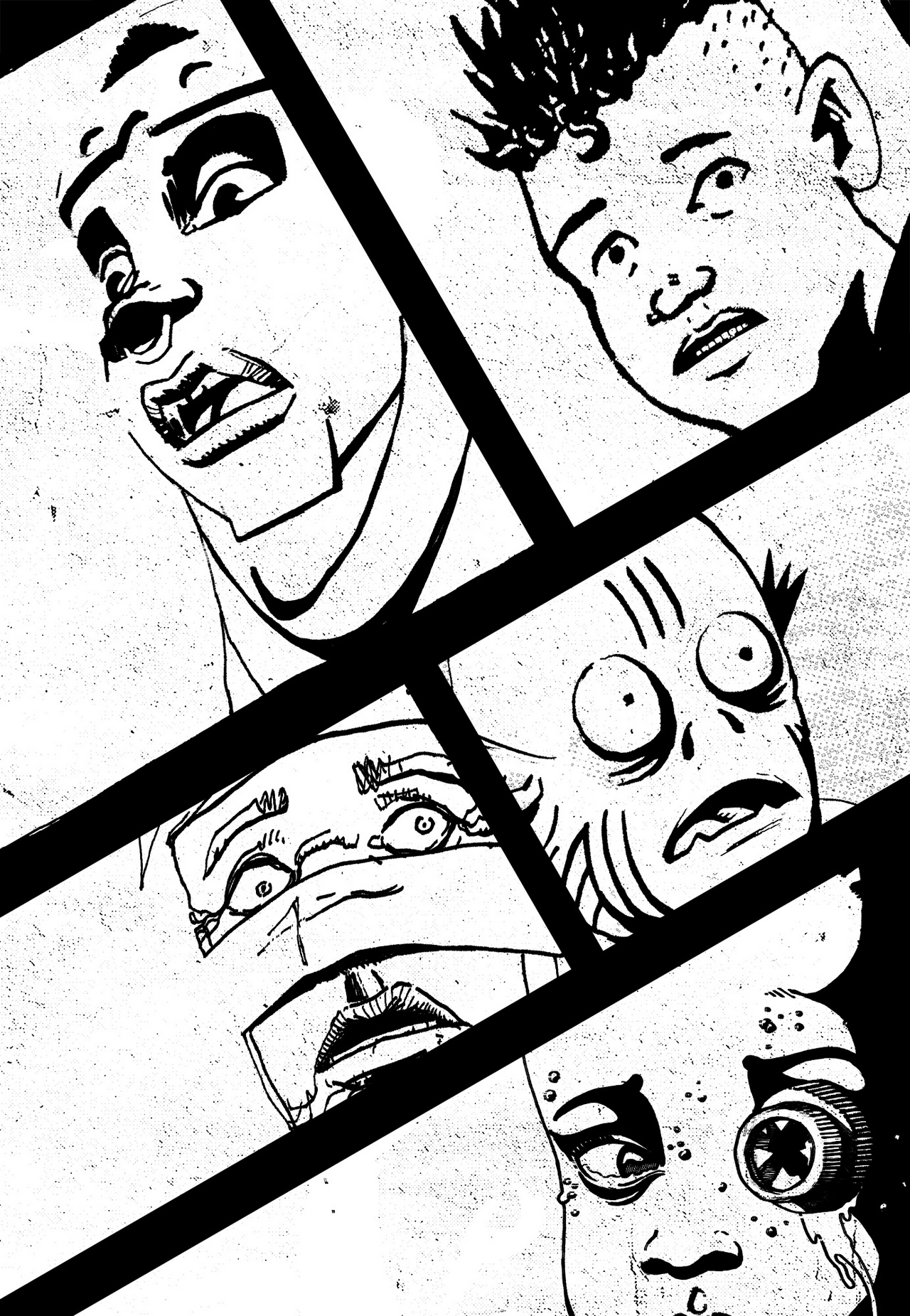
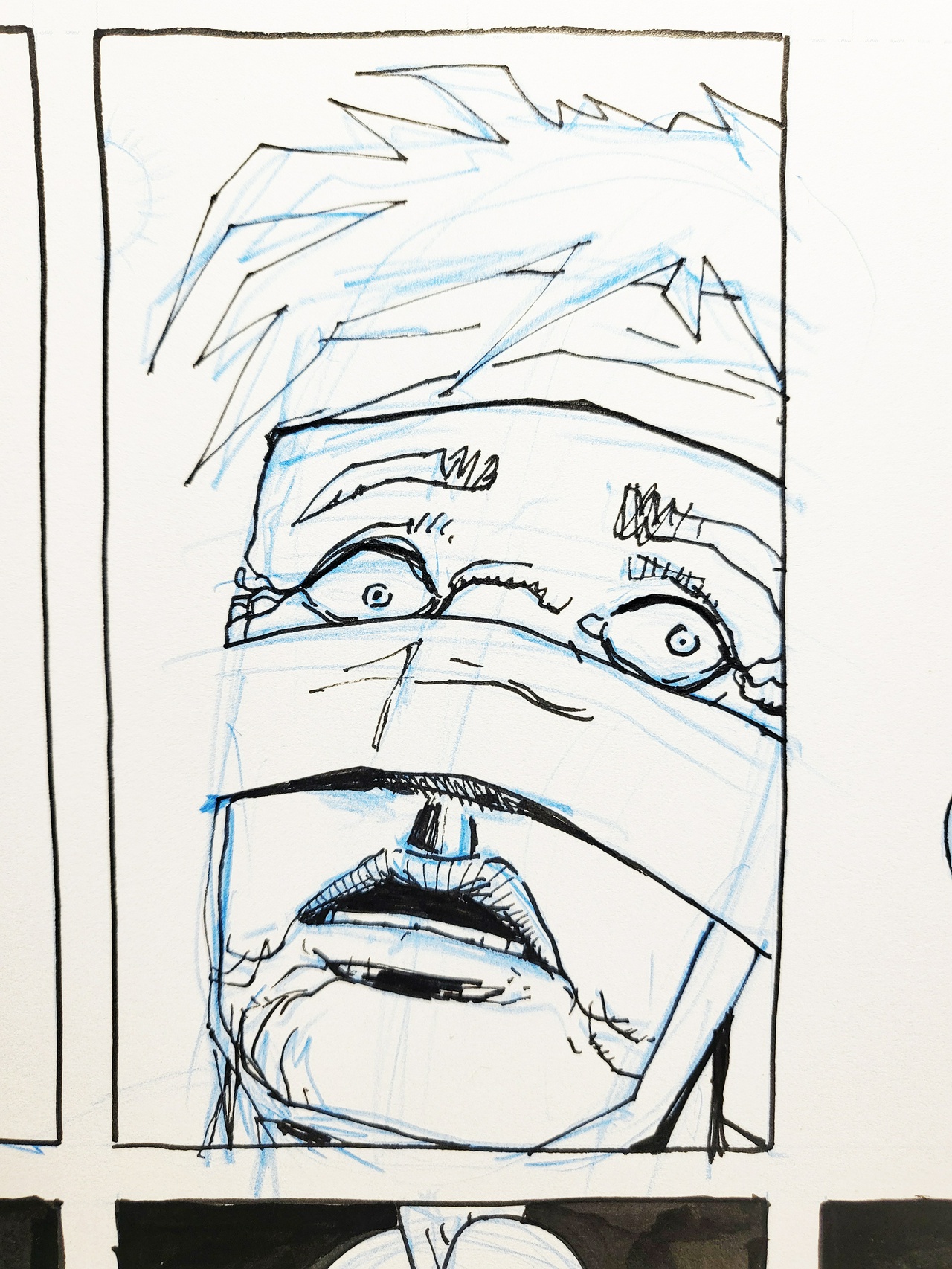
I was never satisfied with how tightly cropped the face in the second panel turned out (bottom left). Strikes me as just a tad confusing who the eyes belong to. So for the revised edition, I took a crop from a panel on a different page entirely and blew it up. Not a strategy I like to employ often, but applying it here improves the storytelling immensely.
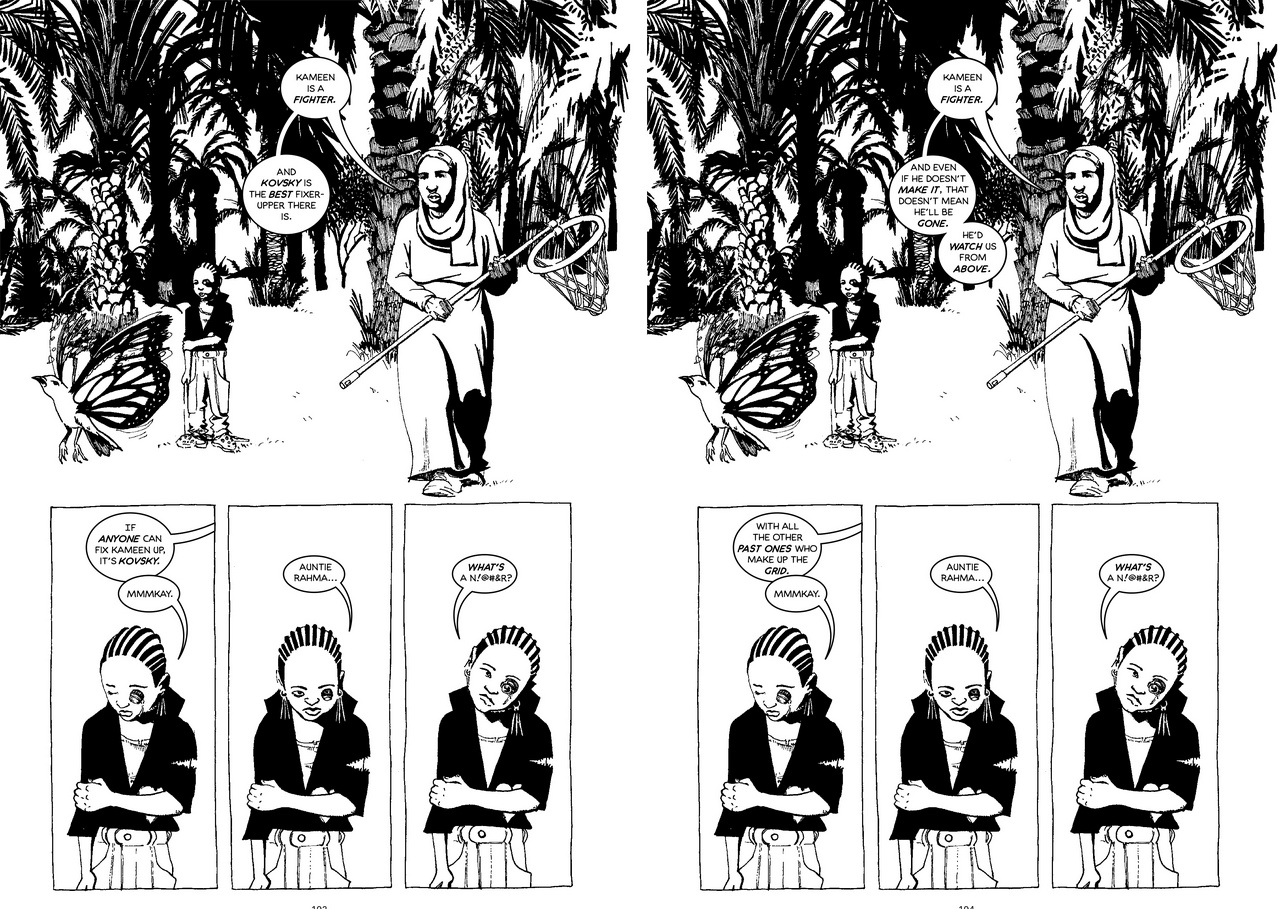
The original bit of dialogue on the left adds nothing of genuine value. The revised dialogue on the right tells us something about the belief system prevalent in Wastecountry in regard to the titular Solar Grid. Which helps make certain scenes later in the book far less confusing.
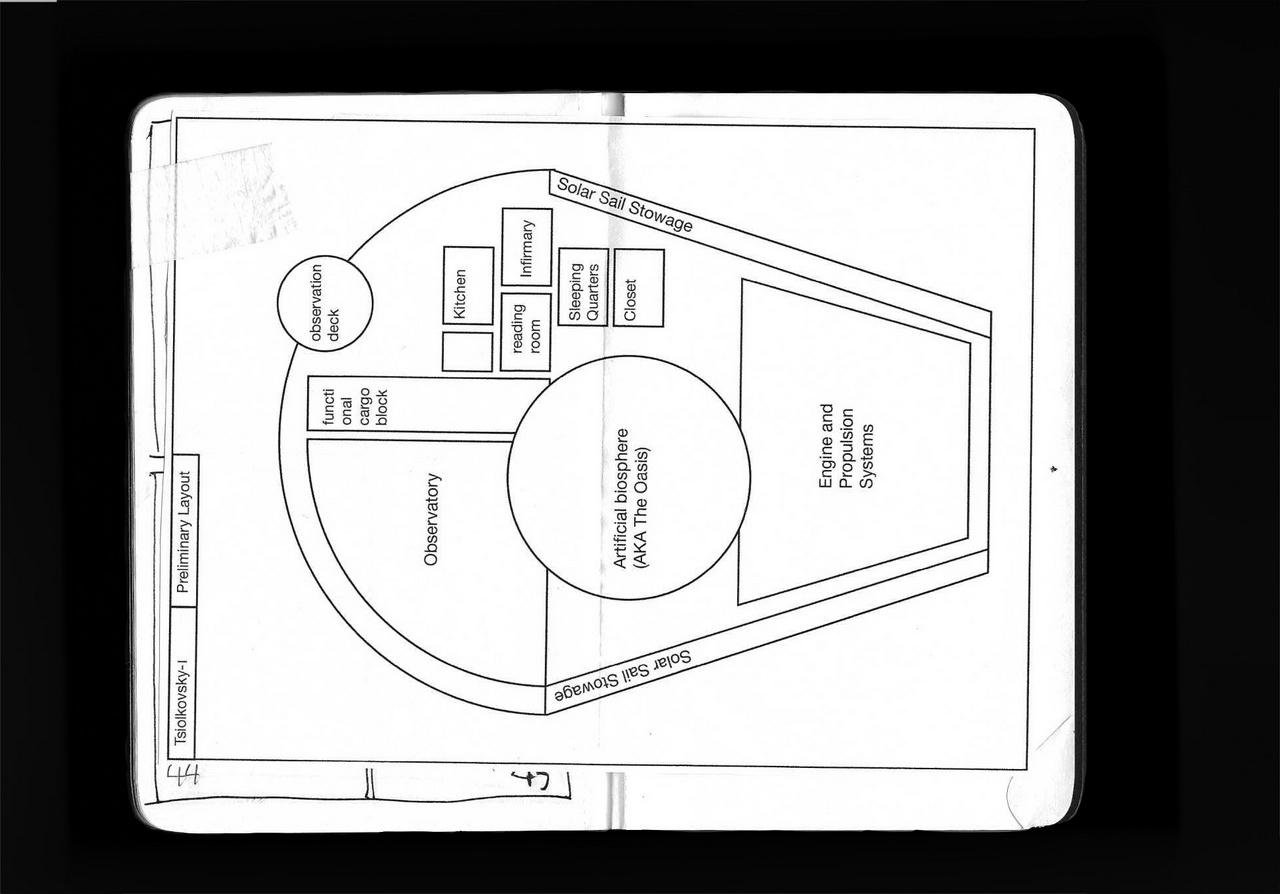
Added to backmatter to further make clear that “the oasis” where the bunnylynx was found actually sits within Kovsky's lair.
Chapter 05:
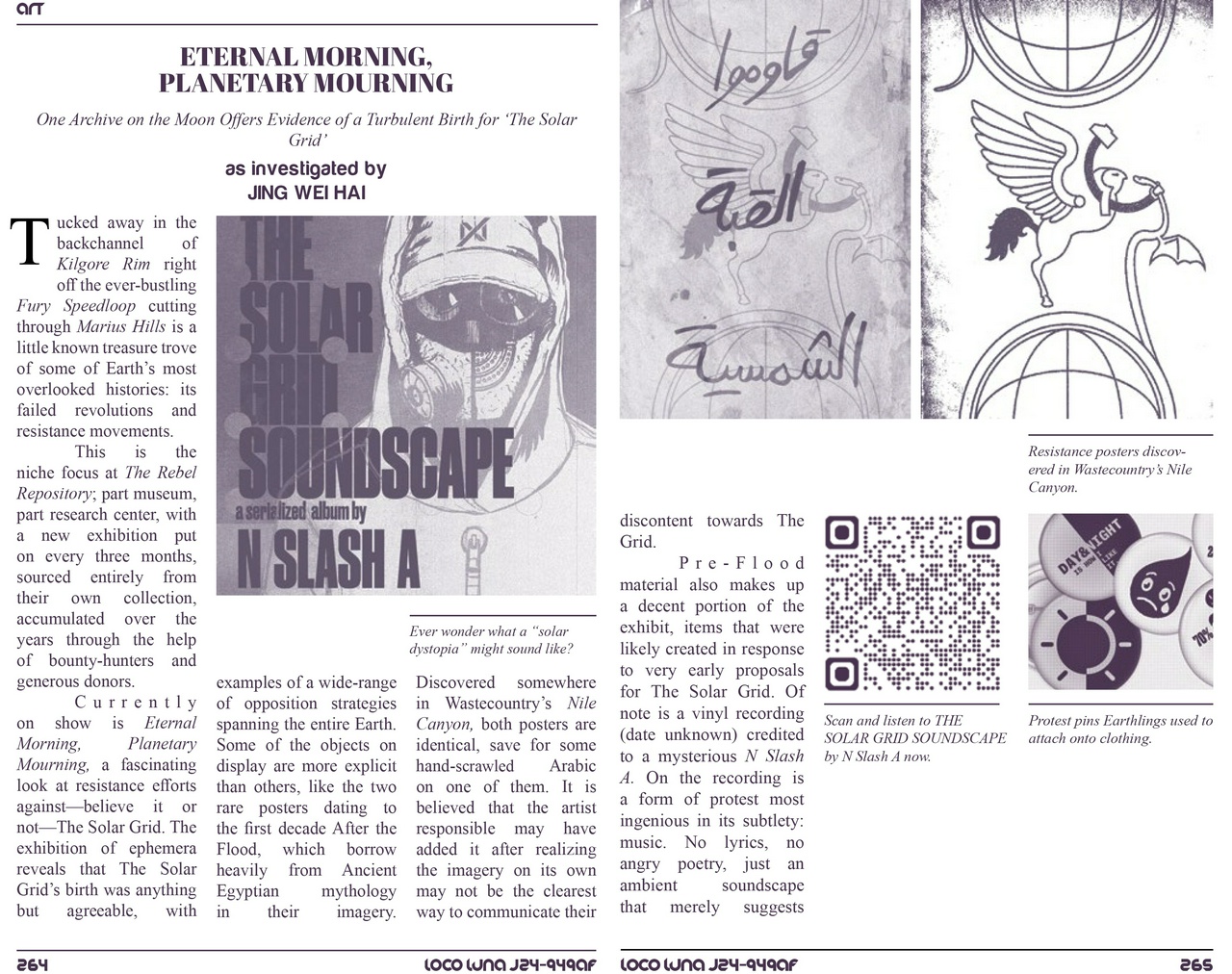
Added a scannable QR code in the backmatter, which takes the reader to the actual THE SOLAR GRID SOUNDSCAPE tracks created by N Slash A.
Chapter 06:
In the original version, I had the “camera” swivel from the side of the character's face to the front in 3 consecutive panels. Ultimately, that motion doesn't quite translate very well in comix, and keeping the frames fixed on her profile works much, much better.
Chapter 07:
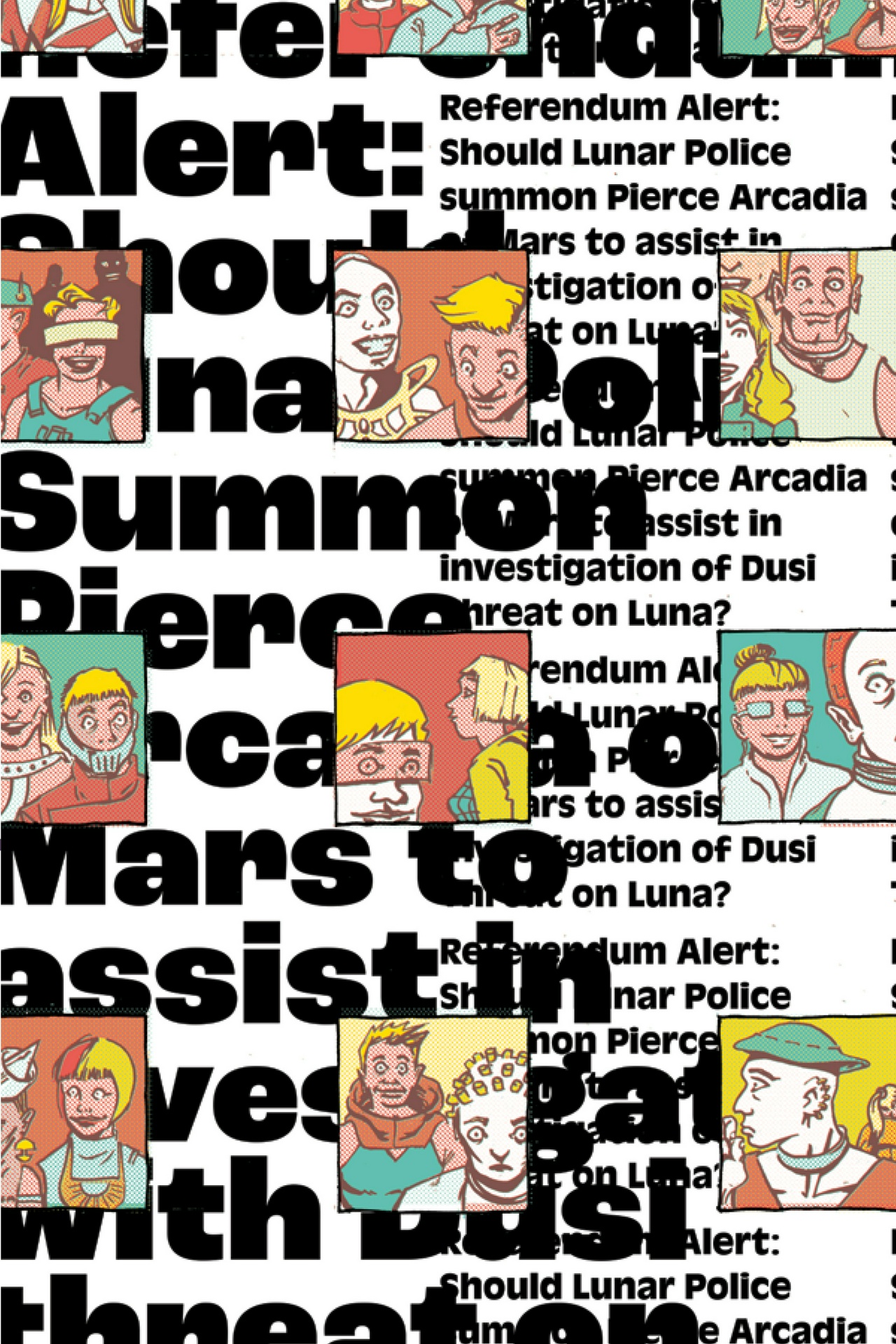
Added smaller versions of the text behind the panels in an effort to improve legibility and better make clear what is going on.
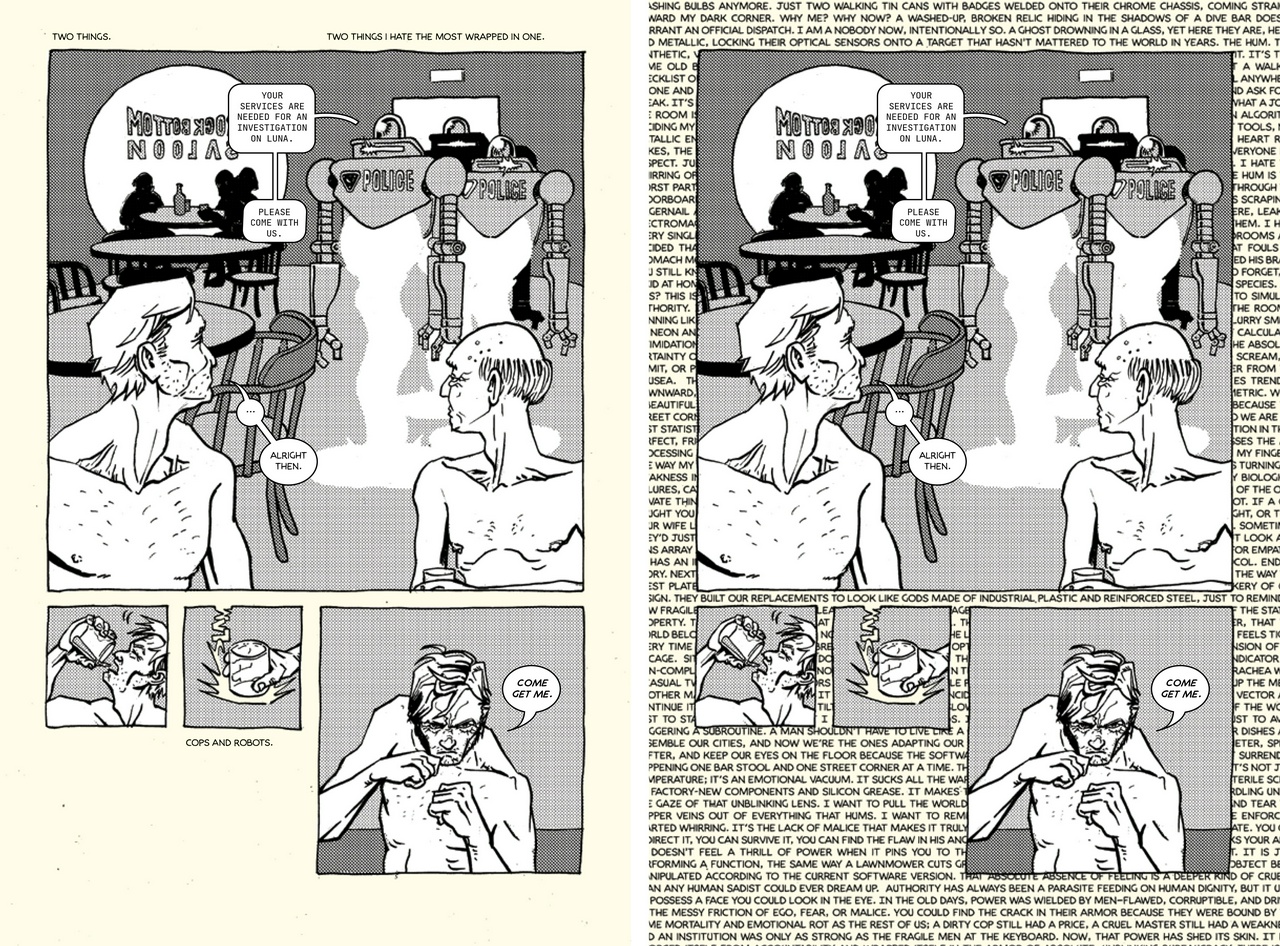
Earlier in the book, when not plugged into Hively, we have Mickie Stardust's train of thought fill the page behind the panels, something that gets completely obliterated once plugged in; he can no longer hear himself think. For Pierce Arcadia, I'd originally opted to not fill the entire page because he's intoxicated here and thus I figured his mind would largely be blank. This I think doesn't quite come across as intended, and the blankness of the page becomes a little odd after what we'd established with the Mickie Stardust sequences. In keeping with consistency, I opted to fill the page with a relevant train-of-thought for the new “revised & expanded” edition.
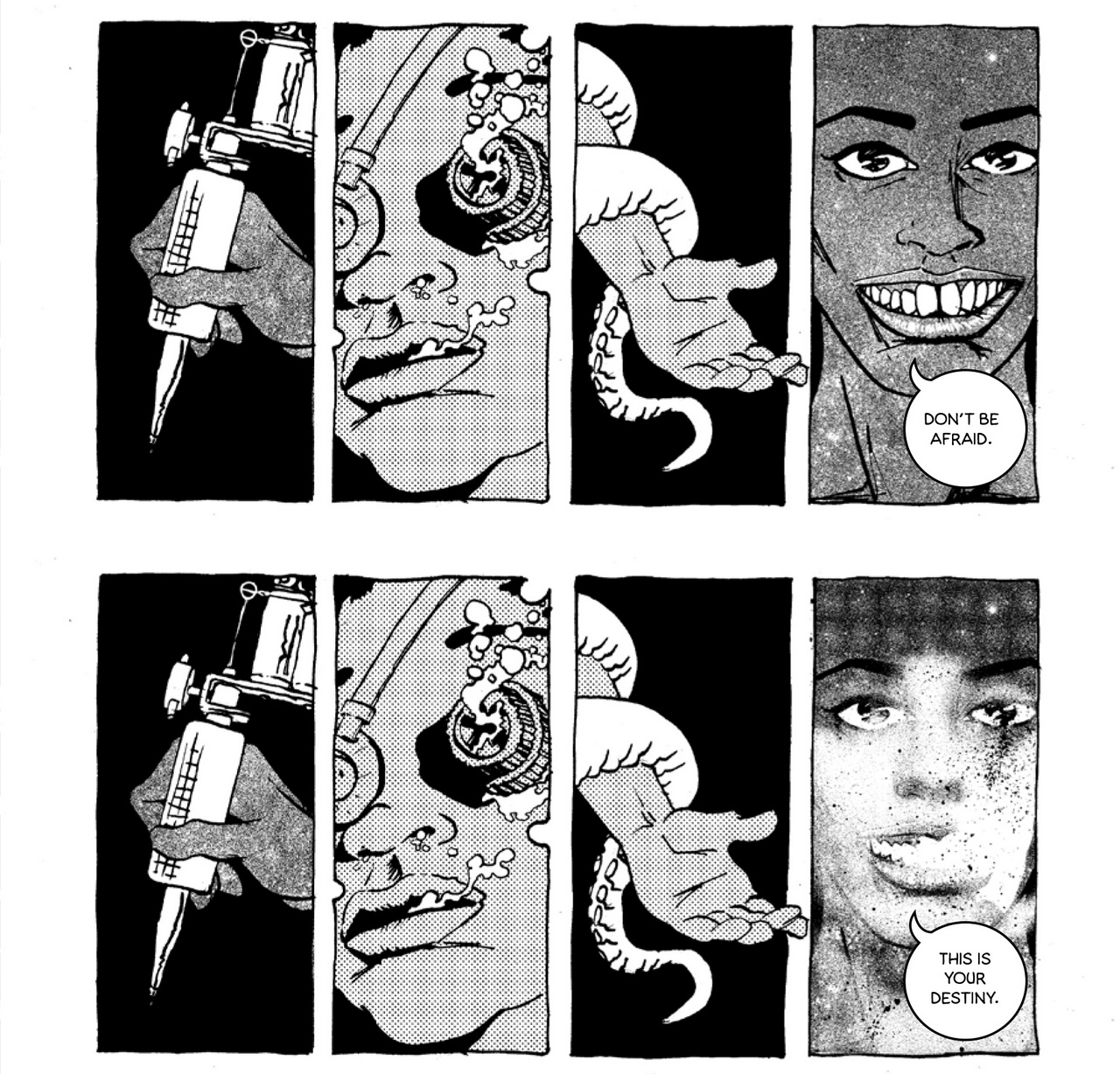
The original face in the 4th panel (top right) hadn't quite turned out as celestial as I would've liked (at all actually!). Messed with it, and made the dialogue stronger/more relevant.
Chapter 08:
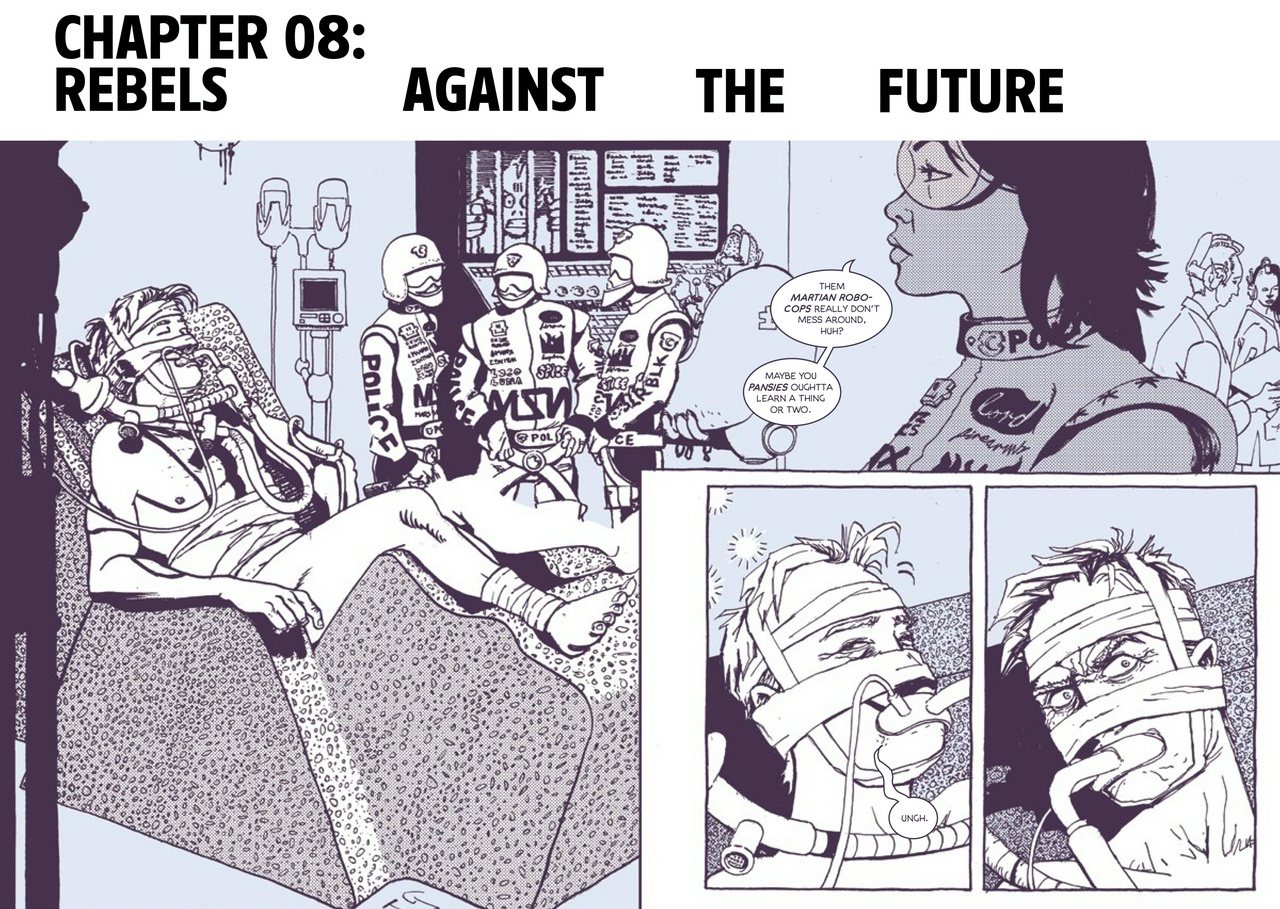
Originally, the chapter title was overlayed on the art, making the text far less legible than I liked. I prefer it with the crop a lot more.
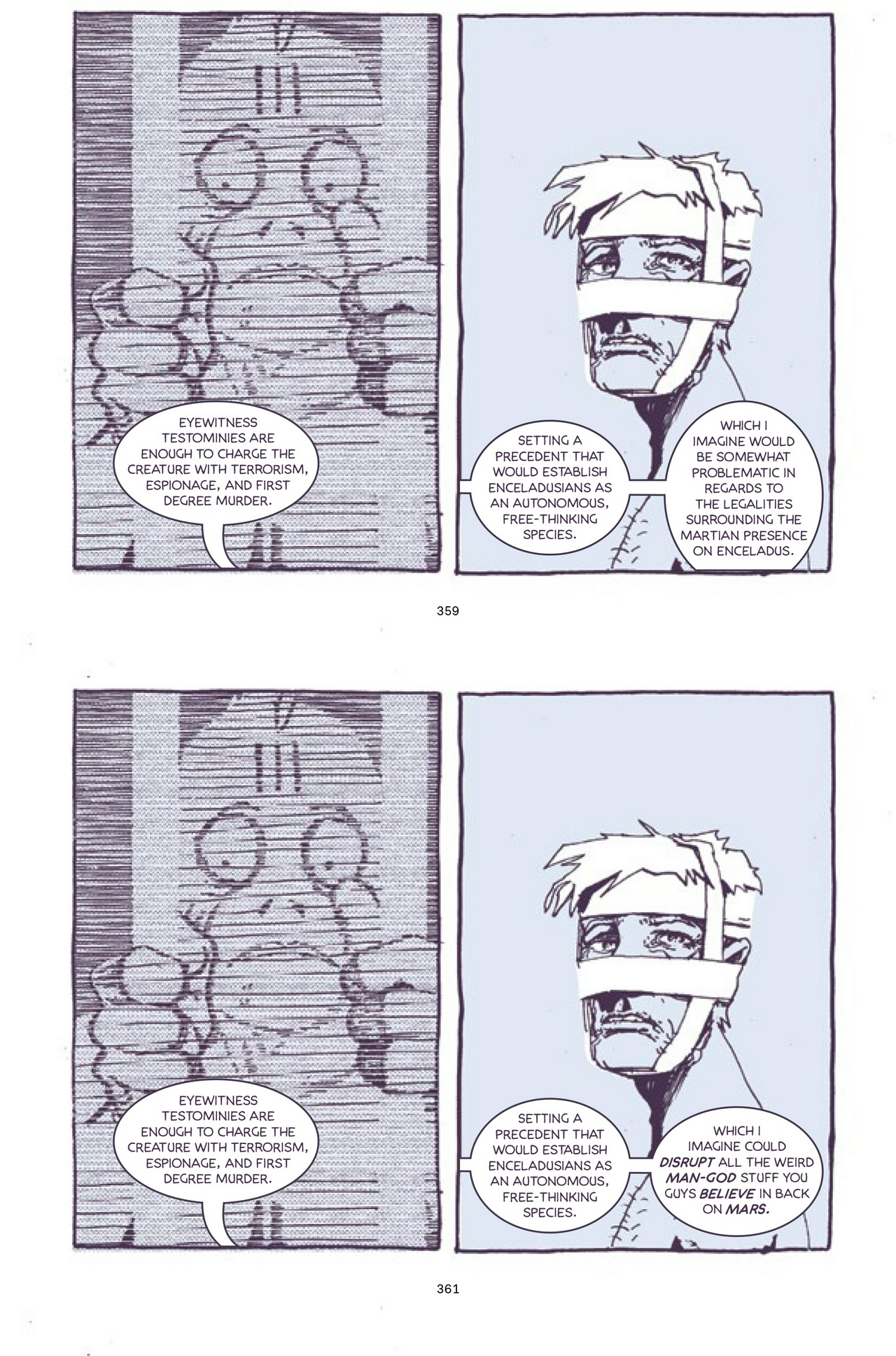
The revised dialogue (bottom right) ties better with something already established in the Galactic Geographic interview which appears a few pages earlier.
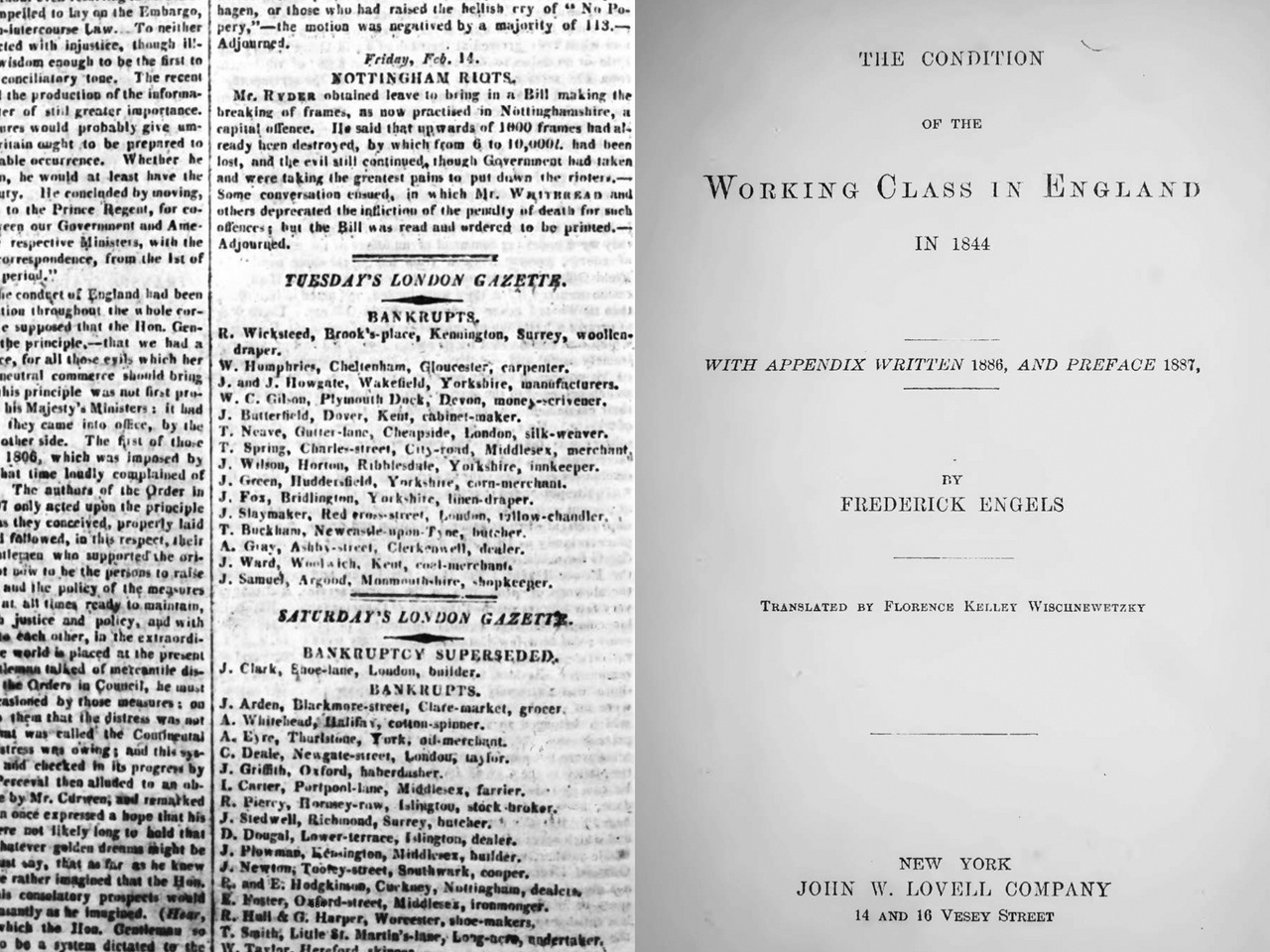
Even after using image-enhancing software, the excerpt from the 1812 edition of The Examiner is just awfully lo-res to be legible. Thus I decided to include 2 pages instead of 5, and fill the remaining 3 with an excerpt from Frederick Engels' The Conditions of the Working Class in England in 1844. Which was written long after the 1812 Luddite revolts, but there's enough of a thematic correlation to include it. And it beats relying entirely on a bunch of newspaper pages that are kind of impossible to read.
Chapter 9:
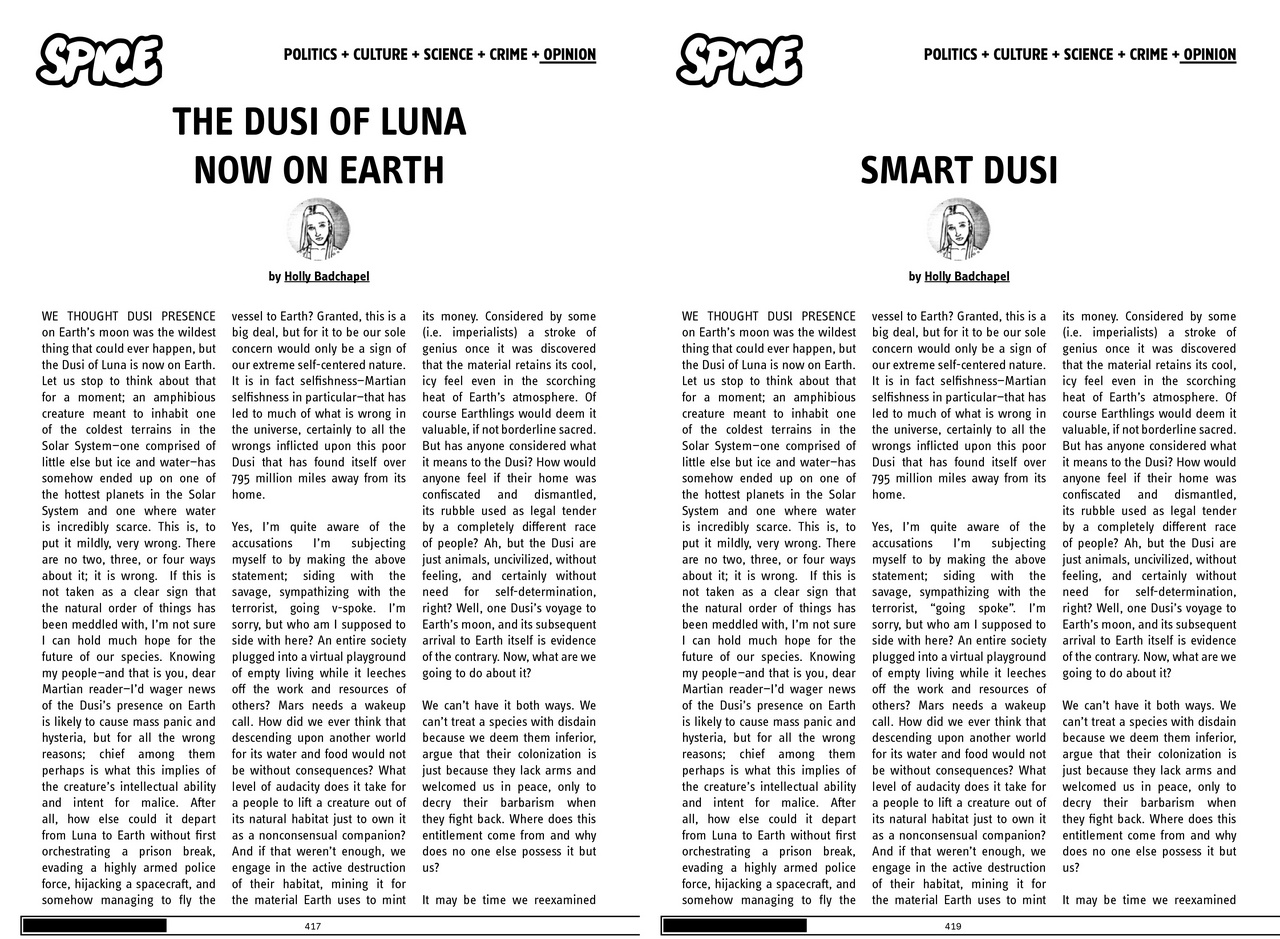
Opted for a less headliney title for the second appearance of Holly Badchapel's column.
Chapter 10:
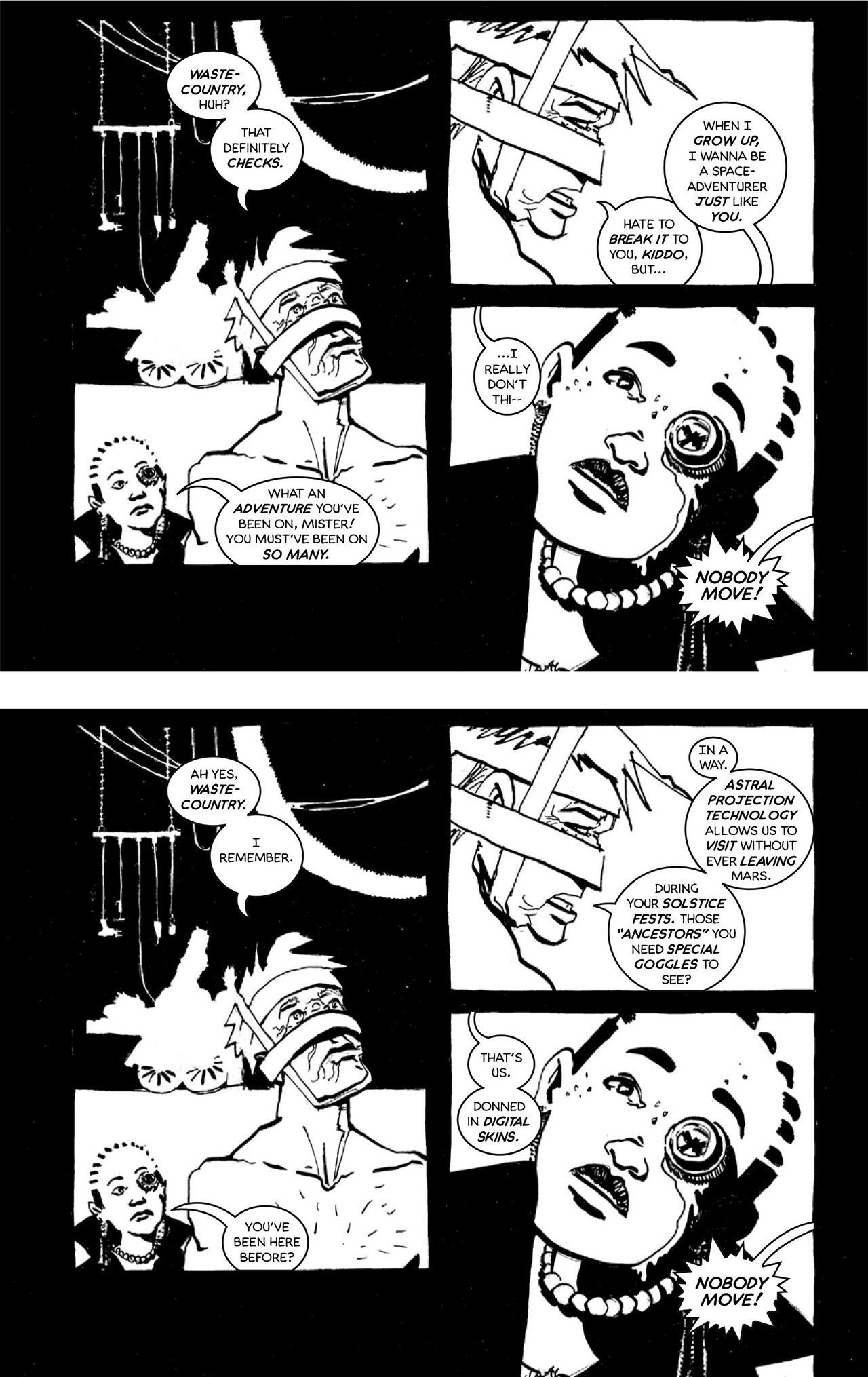
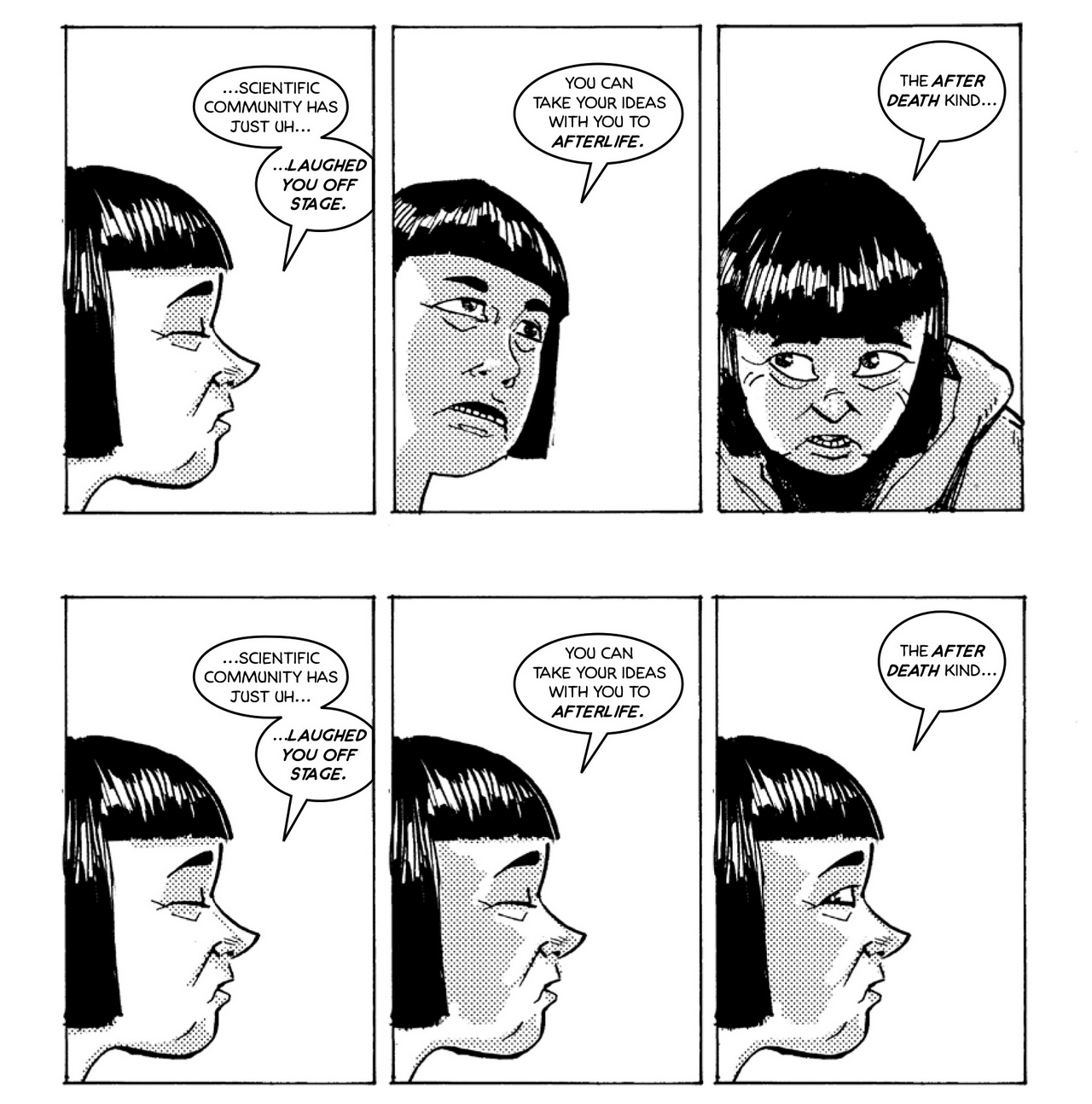
The original dialogue exchange (top) actually says very little. The revised version (bottom) becomes shockingly revelatory to young Mehret, and better ties to a couple of other scenes earlier in the book.
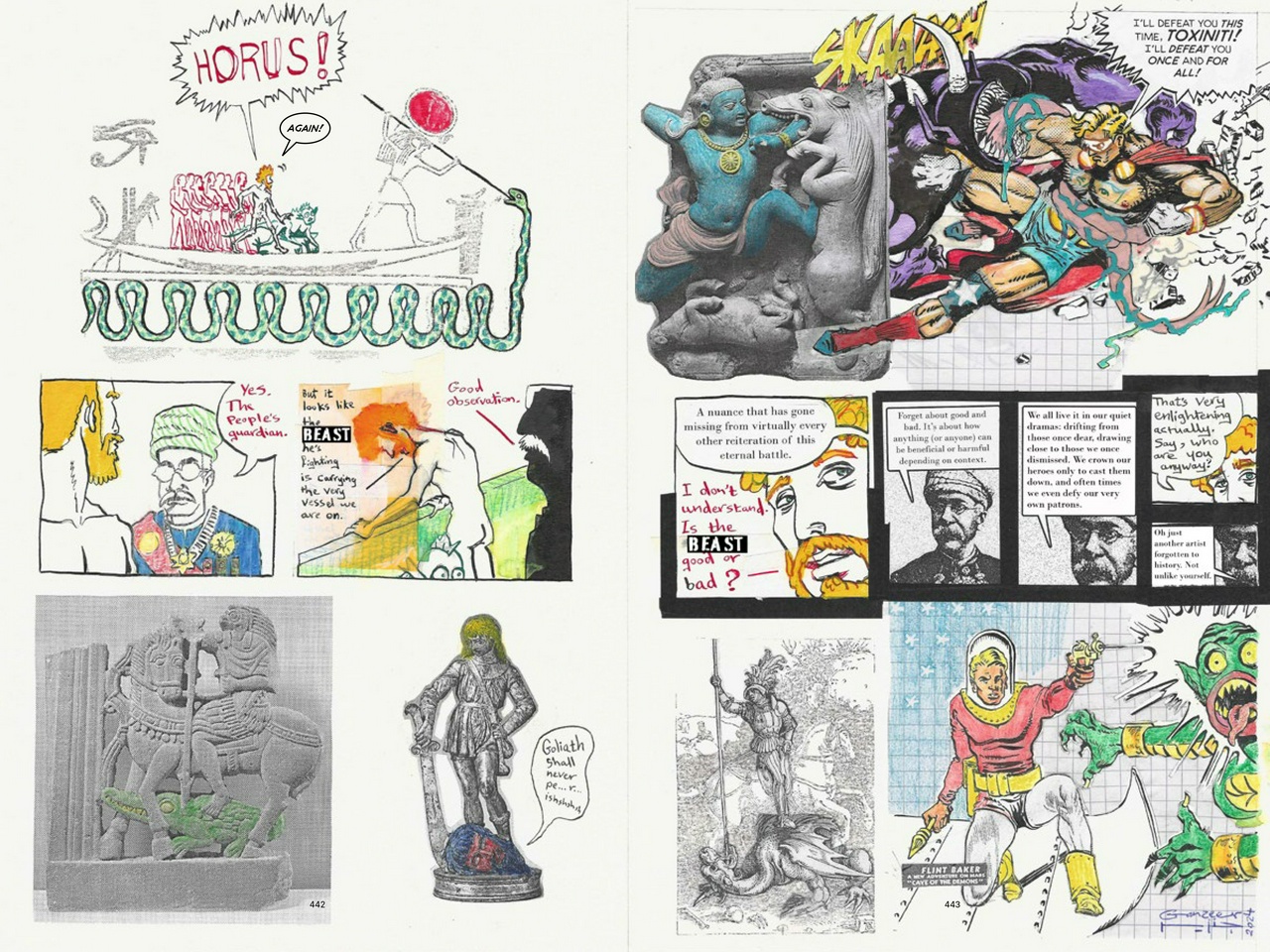
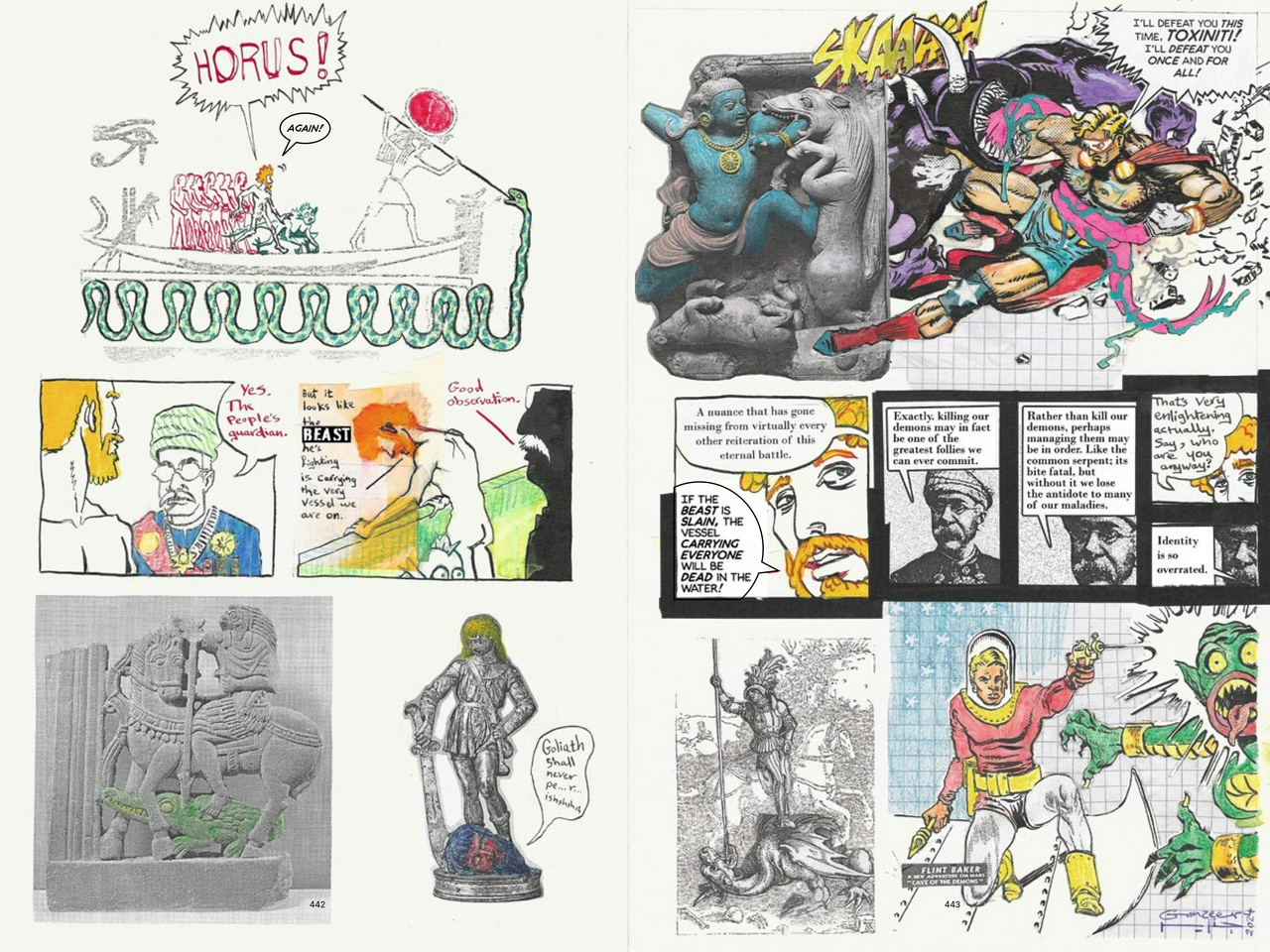
Such a delicate and pivotal scene that became clunky primarily due to the largely nonsensical dialogue (much of which is actually too small for comfortable legibility). The revised version below really makes the scene count (also, the tongue's color in the top right panel needed a little pop).
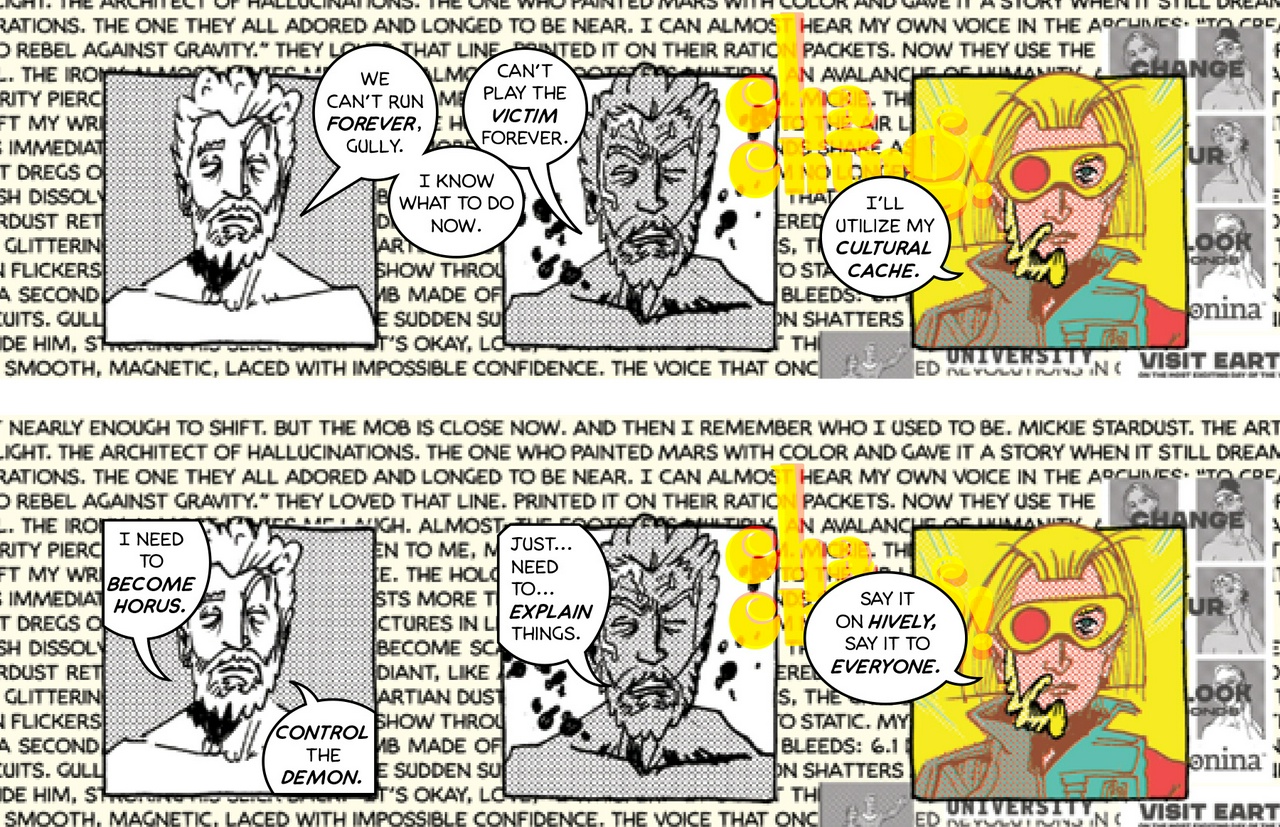
Revised dialogue (bottom) better ties to the collage sequence that came before.
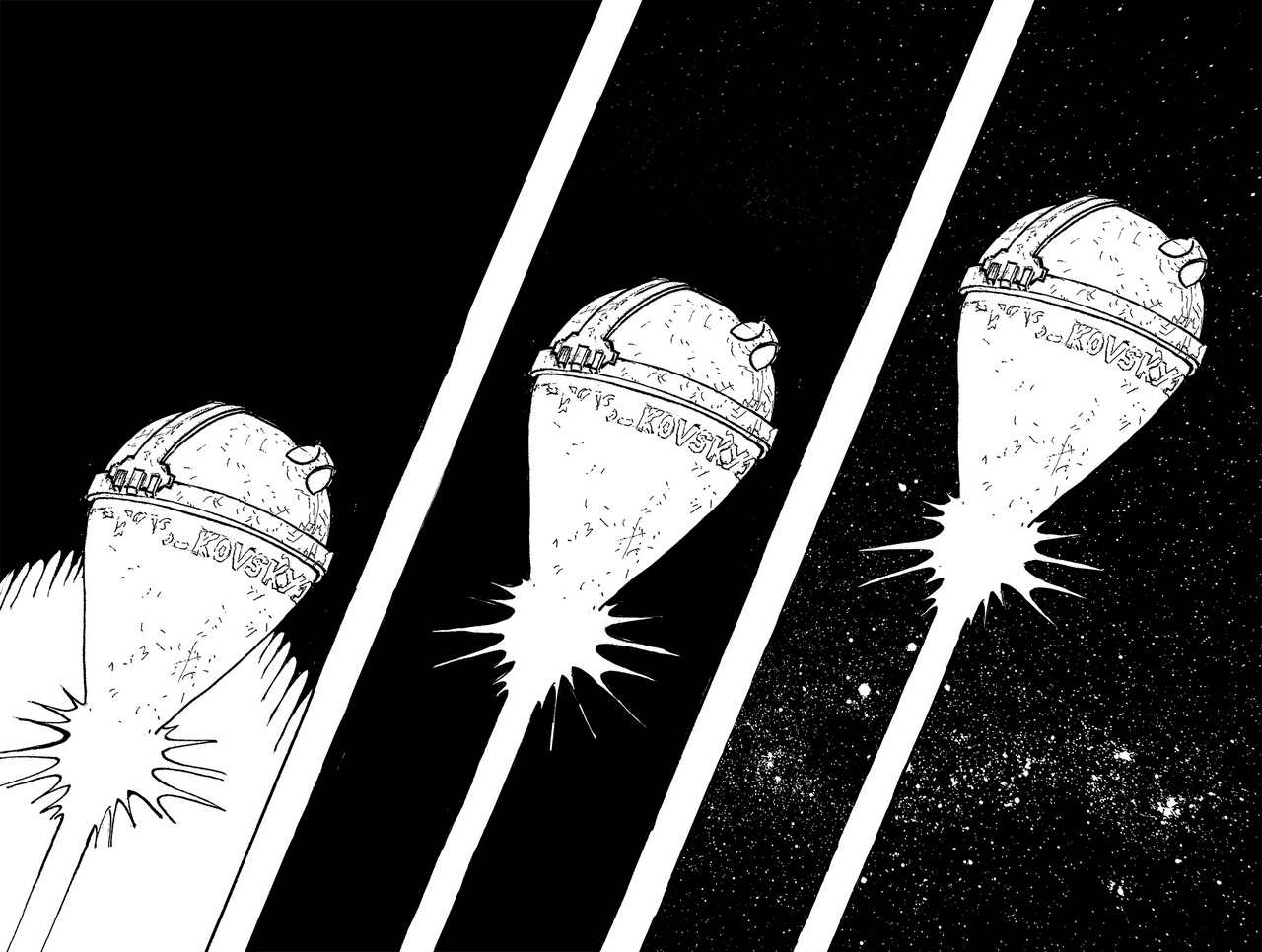
The Tsiolkovsky-1's launch into space didn't feel dramatic enough, so I added a double-page spread.
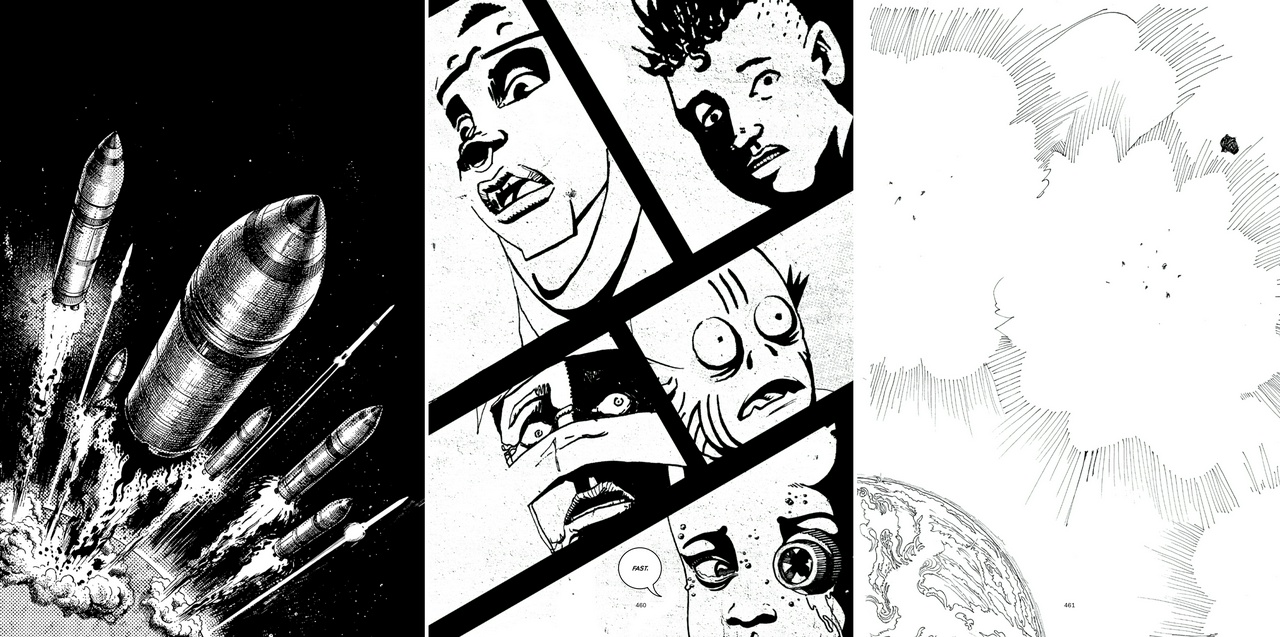
The Solar Grid's destruction—ostensibly the most important moment in the entire book—was way too abrupt. A couple extra pages help take the scene to a far more heightened level.
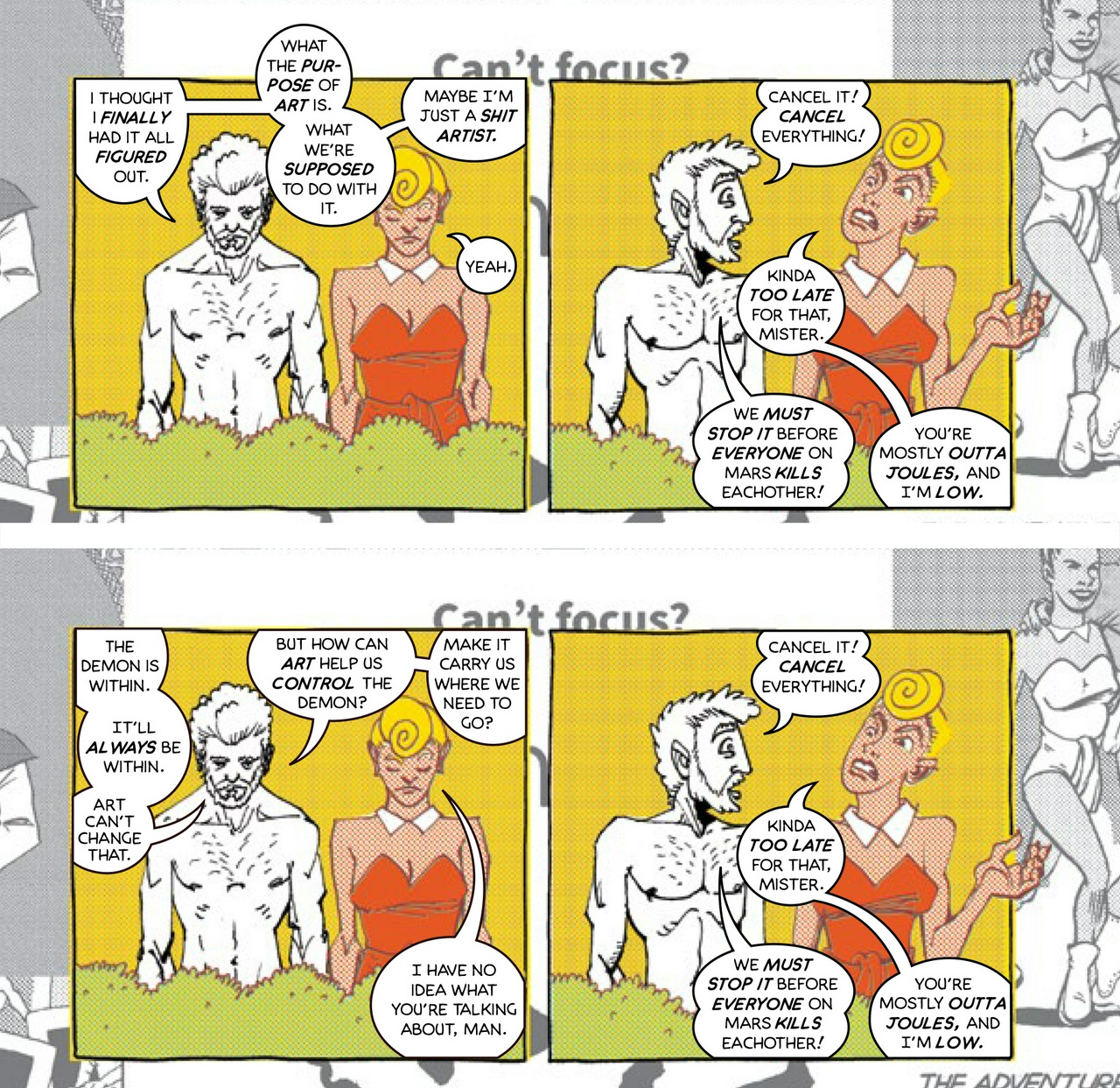
Again, revised dialogue (bottom) helps tie the scene to the pivotal collage scene that came before.
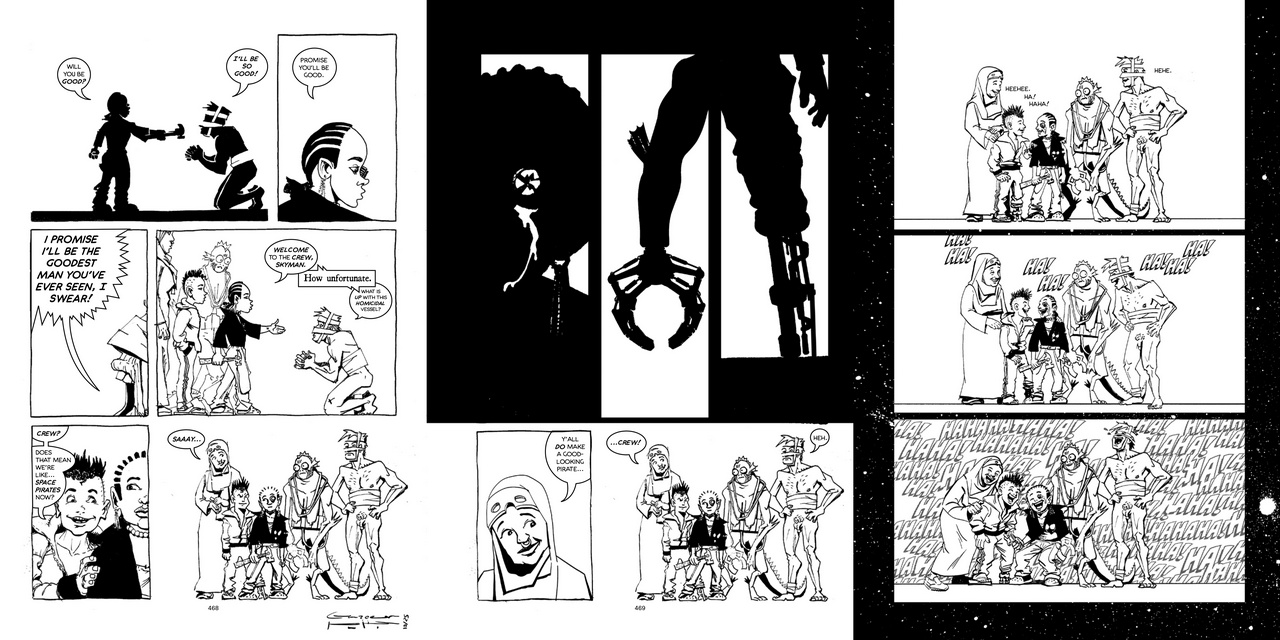
The joke towards the end didn't quite land very well the way I had originally depicted it. A couple extra pages allow the scene to breathe and make it work.
And finally, the very last closing page needed considerable reworking, but I'll refrain from showing that one here :–)
Sadly, none of the above revisions will be reflected in the serialized edition(s) from Radix Co-op or the boxset that collects them. But at least they get exclusive covers that don't appear in the “revised & expanded” edition.
Despite a considerably positive critical reception of THE SOLAR GRID to date, landing a publishing deal for the collected edition has thus far proven to be surprisingly challenging for some reason or another.
#comix #tsg #work